Insights

Field notes on working with AI, robotics, and security where compliance matters and the stakes are high.

A frozen gear inside a sealed case contrasted with identical gears in motion outside it, symbolizing static design controls against continuously changing AI models.

Design Controls Weren't Built for Models That Change

FDA is piloting exceptions rather than rewriting design controls for GenAI devices, leaving compliance leaders to build the continuous verification the rule doesn't require.

Aerial view of a river dividing into a wide shallow channel and a narrow deep channel at a stone weir.

The Real AI Device Risk Is Where FDA Doesn't Look Closely

Most AI-enabled devices clear FDA through the least rigorous pathway or avoid device classification entirely, leaving agentic AI's failure modes unexamined.

A robotic arm pauses beside a safety light curtain on a factory floor as a worker observes from a control booth.

Functional Safety Meets AI Governance on the Plant Floor

ISO/IEC TS 22440 formalizes how AI intersects with functional safety just as EU AI Act high-risk rules and ungoverned agentic deployments collide on the factory floor.

Translucent shield-like layers hovering over industrial machinery in a control room, symbolizing overlapping cybersecurity obligations.

The Other Compliance Clock for AI on the Plant Floor

As AI moves into industrial control systems, the EU Cyber Resilience Act and NIS2 impose a separate, faster-moving obligation than AI Act safety rules.

A translucent sphere with an internal crack suspended over a grid of light, symbolizing a hidden flaw inside an approved AI-enabled medical device.

FDA's Lifecycle Bet on GenAI-Enabled Devices

FDA is easing premarket friction for AI-enabled devices while shifting the real compliance burden to post-market monitoring that current guidance cannot yet catch.

A glowing light moves down a hospital corridor ahead of a closed door, symbolizing patient access preceding formal authorization.

What FDA's Tempo Pilot Actually Asks Compliance Leaders to Decide

FDA's reported Tempo pilot lets generative AI devices reach patients ahead of authorization, and the public record on how is thinner than the headline suggests.

A humanoid robot on an industrial factory floor stands in an area without visible safety barriers, illustrating the gap between physical AI deployment and safety governance.

The Physical AI Business Case Has a Regulatory Hole

Industrial buyers are being pitched humanoid and physical AI capability faster than the safety classification and liability frameworks needed to deploy it responsibly.

Two crossing beams of light in a dark hangar, one on a control surface and one on an empty chair, representing two separate assurance questions in aviation AI safety.

Aviation's Assurance Gap Is Two Problems, Not One

Aviation safety leaders are being sold a single fix for what are actually two distinct AI assurance failures, and conflating them will leave both unaddressed.

Transmission towers at dusk linked by streams of light flowing toward a distant data center.

The Vendor Concentration Risk Utilities Aren't Pricing In

As utilities wire agentic AI platforms into grid operations to capture real savings, few have updated vendor governance for critical infrastructure dependency.
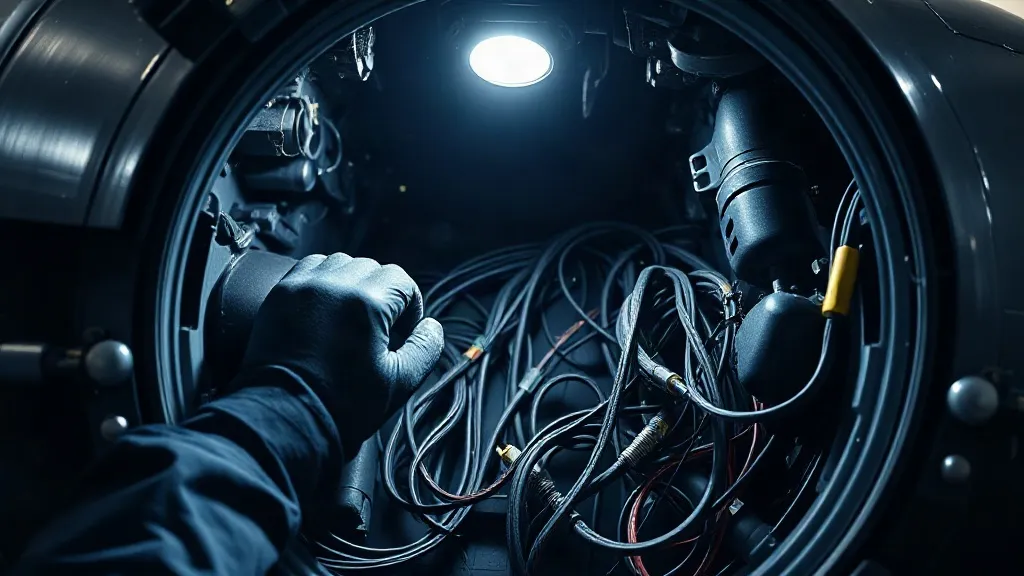
A technician inspects intricate aircraft wiring under focused light, evoking the meticulous verification work behind autonomous flight systems.

Verification, Not Intelligence, Is Aerospace's Real AI Constraint

Aerospace is racing to apply AI to software and autonomy, but verification and explainability capacity, not model quality, is what will set the pace.

Abstract image of glowing data streams converging through a control room overlooking transmission towers at dusk

Architecture, Not Attestation, Is the New AI Vendor Test in Energy

As grid AI moves from pilot to production, energy operators must diligence vendor architecture and control enforcement, not just policy promises.

Abstract layered diagram of glowing data pathways converging smoothly on the surface while one branch diverges unseen beneath, symbolizing a hidden process failure in an AI device pipeline.

Design Controls Were Built for Outputs, Not Agentic Reasoning

FDA's total product life cycle framework for AI-enabled devices documents data lineage and output correctness, but not the intermediate process failures unique to agentic architectures.

Two interlocking translucent gears symbolizing overlapping regulatory systems for clinical AI in Europe

Europe's Dual Certification Trap for Clinical AI

AI systems that influence clinical decisions can trigger MDR and EU AI Act obligations at once, and the Digital Omnibus timeline does not change that exposure.

Abstract translucent device with a light beam fracturing internally, symbolizing hidden reasoning failure beneath a smooth external output

FDA's GenAI Pilot Is Ahead of Its Own Guardrails

FDA's provisional pathway for generative AI devices exposes a verification gap that output benchmarks and existing life cycle rules were not built to close.

Abstract image of data streams flowing through a laboratory corridor with one strand quietly diverging into shadow, symbolizing an undetected error in an AI-driven research process.

The Governance Debt Building in Drug Discovery AI

Regulatory frameworks are expanding toward AI in drug development, but the real exposure is a silent-failure risk that neither hype skeptics nor regulators are pricing in yet.

A power substation at dusk crossed by translucent beams of light suggesting data flowing between towers and a control room.

Grid AI's Lock-In Problem Is a Safety Case Problem

Utilities wiring AI into grid operations face a governance question that is less about data ownership than about who controls the safety case behind it.

Abstract visualization of telemetry data flowing from energy infrastructure into a central AI system, rendered as glowing light pathways with no text.

In Physical AI Deals, Telemetry Rights Are the Real Asset

Energy and industrial AI transactions increasingly hinge on whether sensor and telemetry data remain usable after closing, not on the model itself.

Abstract glowing branching pathways symbolizing decision drift in automated clinical trial monitoring.

Clinical Trials Are Running Agentic AI Faster Than Regulators Can Define It

Agentic AI now handles protocol deviation detection and trial monitoring, but no current framework tests for decision drift across autonomous runs.

A robotic arm inspects an aerospace turbine blade under a projected measurement grid, symbolizing AI-driven quality inspection.

The Quality Gate Aerospace Forgot to Govern

AI-driven First Article Inspection promises major efficiency gains, but aerospace manufacturers lack a governance layer to verify the verifiers.

Abstract layered geometric patterns over a cockpit silhouette symbolizing AI risk assessment in aviation safety systems.

Aviation's Assurance Gap Meets Autonomous AI

Aircraft certification and inspection regimes are built for deterministic systems, and the emerging autonomy stack is exposing what that model cannot see.

A robotic arm and an aircraft in a hangar separated by translucent overlapping planes of light suggesting unaligned regulatory layers

The Missing Layer Between Airworthiness and AI Assurance

Bilateral aviation certification still works for conventional hardware, but no framework yet governs the AI and autonomous systems entering the same operational footprint.

A glass boundary dividing a clinical space into two zones of light, symbolizing a shifting regulatory classification line.

The Qualification Test That Redraws the AI Device Line

A new EU Court judgment on medical device qualification means AI tools built as informational or decision-support software may already sit inside MDR and IVDR scope.

A glass sphere with an internal geometric lattice lit differently on each half, symbolizing one AI model interpreted under two regulatory regimes.

The PCCP Gap: FDA Lets AI Models Change, Europe Asks Which Model You Meant

FDA's finalized change control plans let AI-enabled devices update without new submissions, but EU classification law may treat the same update as a new device.

Layered glass silhouettes of an aircraft and radar dish connected by flowing light traces against a dusk sky.

The Next Safety Case Needs a New Kind of Evidence

Explainability and adversarial robustness are becoming safety-case requirements, and aerospace buyers should demand that evidence before regulators mandate it.

Overlapping translucent rings symbolizing intersecting regulatory frameworks over a data network, representing convergence without any visible text.

Agentic AI in Clinical Trials Isn't Exempt From High-Risk Classification

Agentic AI tools for trial design look administrative, but EU AI Act and MDR overlap rules can pull them into conformity assessment regardless of vendor intent.

An industrial humanoid robot and robotic arm operate on a factory floor with visible safety laser scanner beams.

When AI Agents Get a Direct Line to Physical Equipment

Standardized interfaces letting AI agents command industrial machinery force a functional safety decision that most operators have not yet made.

Abstract illustration of a control tower radar sweep rendered as overlapping translucent arcs of light at dusk

Decision Assurance Has No Tail Number

Aviation's directive model regulates known parts and configurations, but AI decision-making is already being governed elsewhere, with real gaps still unresolved.

Overlapping translucent glass panels symbolizing layered European regulatory frameworks converging over pharmaceutical research.

The Non-Device Trap in EU Pharma AI

US pharma AI tools that avoid MDR device classification still face full exposure under the EU AI Act, GDPR, and EHDS.

Abstract branching light structure over medical equipment representing two diverging regulatory pathways for AI devices.

The Blind Spot Beneath FDA's Generative AI Test

FDA's two-axis approach to generative AI devices is a familiar SaMD extension, but existing inspection data suggest most manufacturers can't yet clear the bar it sets.

Aerial view of a river forking into two channels, symbolizing diverging US and EU regulatory paths for AI medical devices

The PCCP Illusion: Why US Speed Doesn't Buy EU Clearance

FDA's finalized change control pathway lets AI devices update without new submissions, but the EU AI Act demands continuous oversight that PCCPs were not built to satisfy.

A power substation at dusk with transmission lines against a violet sky, evoking AI-managed grid infrastructure.

The Deployer Question Utilities Haven't Asked

As AI takes over grid dispatch and demand response, energy and industrial firms need to determine their compliance status as AI deployers, not just adopters.

A humanoid robot arm interacting with a laser safety scanner on an industrial factory floor.

Who Certifies the Humanoid

Vendor consortiums are writing de facto safety standards for industrial humanoids faster than regulators can formalize them.

Aerial view of a solar farm at dusk with abstract light trails suggesting data flowing toward a power substation.

When AI Optimizes the Grid, Who Owns the Dispatch Call

AI now makes autonomous load-balancing and dispatch decisions across solar farms and virtual power plants, and no standard yet assigns liability for a bad call.

Offshore wind turbines feeding power directly into a modular data center facility, illustrating off-grid AI compute infrastructure.

Off the Grid, Off the Record: AI's Energy Attribution Problem

As AI data centers bypass public grids with private power, buyers lose built-in metering and now need independent energy attribution to satisfy disclosure obligations.

Rows of orderly metal cabinets dissolving into a swirling field of light, symbolizing legacy compliance systems confronting generative AI unpredictability

The Readiness Gap Behind FDA's 1,000 AI Devices

FDA's large base of authorized AI-enabled devices masks a readiness gap that generative and agentic systems will expose immediately.

Three translucent concentric rings lit by scanner light, symbolizing a layered evaluation framework for medical AI devices

FDA's Three-Part Test for Agentic Devices

FDA's generative AI discussion paper outlines a safety, proficiency, and generalizability framework that will shape validation evidence long before formal guidance arrives.

A luminous DNA strand splits into two diverging paths of blue and amber light across a dark laboratory floor.

Pharma's AI Pipeline Is Running on Two Regulatory Clocks

Drug discovery AI is accelerating faster than either the EU AI Act or FDA's generative AI framework can stabilize, forcing pharma to classify now or re-litigate later.

A river delta splitting into two divergent channels, symbolizing diverging regulatory paths for AI-enabled medical devices.

The Quality System Nobody Rebuilt Yet

FDA's living PCCP model for AI-enabled devices demands continuous evidence trails that most design control systems were never built to produce.

A robotic arm on a factory floor crossing a sweeping blue safety laser scanner beam.

Two Safety Layers, One Machine: The Governance Gap in Physical AI

Vendor-native AI safety standards and established machine-safety codes are emerging in parallel, and industrial buyers must decide which one actually carries liability.

Abstract image of a molecular structure connected by glowing data pathways to laboratory equipment, symbolizing AI-driven drug discovery and data provenance.

AI-Native Drug Discovery Needs Provenance Records, Not Just Speed

As generative AI moves into candidate generation and synthesis, sponsors must build data lineage and model audit trails before IND filing, not after.

Two overlapping translucent regulatory frameworks depicted as intersecting glass panels above a European skyline.

Europe's AI Act and MDR Collide, and MedTech Wants a Rewrite

European MedTech is lobbying to revise how the EU AI Act and MDR/IVDR interact, and regulated buyers should build to the stricter combination now, not wait for the fix.

A robotic arm inspecting an aerospace turbine component under controlled lighting, symbolizing automated verification of engineering evidence.

The Real Aerospace AI Bottleneck Is Evidence, Not Investment

Aerospace AI certification will be won by vendors who can automate verification evidence, not by whoever raises the most capital.

Two diverging paths of light, one narrow and bounded and one diffuse and branching, symbolizing split regulatory tracks for medical AI

Two Speeds of FDA AI Clearance

The FDA's bounded-diagnostic clearances and its generative-AI comment period reveal a widening split in medical AI oversight that regulated buyers must plan around now.

Abstract close-up of aerospace composite material transitioning from sharp focus to digital blur, symbolizing the gap between AI-driven discovery and certification validation.

The Materials Discovery Boom Aerospace Regulators Can't Yet Absorb

Generative AI is outpacing aerospace certification capacity, making evidence-ready validation the real constraint on new materials programs.

Two shifting translucent glass panels overlapping in a clinical white laboratory space, symbolizing two regulatory frameworks being revised in parallel.

Europe's AI Act and MDR Are Being Rewritten at the Same Time

European regulators are revising the AI Act and MDR simultaneously, leaving life sciences compliance teams no stable baseline to build against.

A researcher examines a molecular model in a lab with abstract data visualizations glowing in the background.

FDA's Other AI Track: Drug Development Gets Its Own Playbook

While FDA's device guidance draws attention, a parallel track for AI in early-phase clinical trials and drug development is quietly taking shape.

Abstract photograph of light flowing between a human hand and a robotic diagnostic arm, symbolizing continuous oversight of AI in medicine.

FDA's Discussion Paper Moves the Goalposts on GenAI Devices

FDA's generative AI discussion paper signals a shift from one-time approval to continuous, competency-based testing that life sciences compliance teams should prepare for now.

An empty executive office corridor lit by a single desk lamp, evoking a leadership transition inside a regulatory agency.

FDA's New Deputy Commissioner Post Is the Real AI Signal

HHS is creating a dedicated technology leadership role at FDA, and that appointment will shape AI device oversight more than any single guidance document.

A lit emergency stop button on an industrial floor with a robotic arm frozen in the background.

The Interlock Stays Dumb. Someone Now Has to Prove It.

A settled safety principle for industrial AI is starting to show up as a procurement requirement, not just a design rule.

Aerial view of a data center connected by glowing energy lines to wind turbines and transmission towers, symbolizing AI power attribution.

Who Verifies AI Energy Attribution?

A new market for AI cluster energy attribution platforms is quietly becoming a compliance artifact, and regulated buyers need to ask who checks the numbers.

An industrial robotic arm shown mid-motion behind translucent safety barriers on a factory floor.

Verifying the Learned Robot, Not Just the Vendor's Claim

A vendor announcement about AI robot safety verification signals a real gap in industrial AI governance, but buyers should scrutinize the claim before treating it as a control.

An empty clinical trial room lit in blue with abstract projected data lines on the wall.

The Trial Floor Is the Next Oversight Line, Not the Device Shelf

FDA's closed RFI on AI-enabled early-phase trials signals a second oversight track distinct from device review, and sponsors are moving faster than either.

A half-built institutional archive of steel shelving and scaffolding lit by a single shaft of light, symbolizing regulatory infrastructure under construction.

FDA Is Assembling the Machinery Before It Finishes the Rule

FDA's device review architecture and new leadership roles point toward trial-side AI scrutiny, though the timeline and scope remain genuinely unsettled.

A business jet on a runway with abstract light trails converging toward the cockpit, symbolizing AI data feeding into flight decisions.

The Certification Machine Works. Autonomy Hasn't Earned a Seat Yet

Triple-certified business jets prove the FAA-EASA-ANAC pathway is mature, but aerospace has no equivalent framework for certifying AI as a flight-critical decision-maker.

An industrial process unit linked by lines of light to distant power infrastructure and a data center, symbolizing the hidden dependency between AI safety tools and their compute and energy supply.

The Safety Case Has a Blind Spot: The Grid Behind the HAZOP Assistant

AI-augmented HAZOP validation focuses on model accuracy, but the compute and energy infrastructure the model depends on is an unaddressed safety variable.

Industrial control room where server infrastructure and pipeline systems visually merge under amber lighting, symbolizing the link between AI infrastructure and process safety

The Energy Layer Missing From Industrial AI Safety Cases

AI-augmented HAZOP is testing industrial AI safety cases, but the harder unresolved question is power and grid resilience, not just compute.

A delivery drone and a jet aircraft cast overlapping shadows on a runway at dusk, connected by a thin line of light.

The Certification Evidence Trail Is Aerospace's Real Autonomy Constraint

Regulators keep reopening the evidentiary file on aircraft long after certification, a pattern that should worry anyone betting on fast autonomy approvals.

Two diverging flight paths symbolizing separate governance tracks for aerospace AI approval.

Clearance or Certification: Aerospace AI's Governance Fork

Aerospace AI adoption is splitting between use-case clearance frameworks and capability-specific certification, and buyers need to know which track applies before they scale.

A robotic arm reaches toward an industrial control panel while a human hand hovers nearby in a dim, blue-lit control room.

When AI Agents Reach for the Controls

Anthropic's new agent-to-machine standard collapses the gap between AI recommendation and AI action, raising the stakes for industrial verification.

Abstract image of glowing molecular data threads converging into an automated laboratory arm.

The Traceability Debt Building Inside AI-Native Drug Discovery

Closed-loop AI discovery platforms are compressing timelines faster than biopharma governance functions can build the audit trail regulators will eventually demand.

Three distinct translucent glass tokens on a dark table, symbolizing different but easily conflated forms of validation for clinical AI tools.

Cleared, Qualified, Authorized: Three Different Promises

Regulated buyers are treating FDA clearance, institutional platform qualification, and De Novo authorization as interchangeable seals when they carry different evidentiary weight.

An aircraft avionics bay lit from within, illustrating the hidden decision systems behind modern flight automation.

The Recorder Gap: CVR Deadlines and the Separate Question of Machine Decisions

FAA CVR upgrade deadlines fix a human-decision recording problem, but certified automation and drone autonomy are advancing on entirely separate regulatory tracks with no equivalent record.

Silhouette of a delivery drone hovering over an illuminated circuit-board landscape at dusk.

The Chip in the Loop: Delivery Drones and the Assurance Gap

Wing's evaluation of a new Nvidia AI module for delivery drones exposes an unresolved question: who owns the airworthiness case when compute hardware is sourced, not certified.

A human operator seated at a console watches over an autonomous aircraft silhouette through a glass wall, symbolizing human oversight of automated flight systems.

Robotaxi's Human-in-the-Loop Fight Is Coming for eVTOL

Guident's stance that robotaxi fleets still need human oversight previews the design choice that will decide how regulators certify autonomous flight.

An abstract electrocardiogram waveform branching into three glowing paths, symbolizing one AI platform expanding across multiple cleared indications.

The Platform Risk Hiding in Serial Clearances

Tempus AI's third ECG-based FDA clearance shows how one platform can accrete indications faster than buyers can verify its cumulative risk profile.

An old analog industrial control panel sits beside a modern robotic arm joint, symbolizing the handoff from human-verified controls to machine protocol.

The Verification Problem Is Migrating From Policy to Protocol

As Anthropic formalizes how AI agents talk to machines, industrial verification is shifting from governance policy to interface protocol before regulators arrive.

A legacy industrial control panel beside a modern interface, with an engineer's silhouette walking out of the frame.

Industrial AI's Real Bottleneck Is Who Signs Off On It

As industrial AI vendors race to automate control logic and physical machine operation, regulated operators still lack a named answer to who verifies the output.

An aging industrial control panel beside a robotic arm in a dim factory, symbolizing the handoff from retiring engineers to AI-driven controllers

When Plain English Writes the Control Logic

AI-native industrial controllers promise to replace retiring PLC engineers, but the safety case now depends on verifying generated logic, not just trusting it.

Abstract image of a heartbeat waveform merging with pharmacy shelves to represent AI moving from device clearance into clinical practice.

Device Clearance Outpaces Practice Governance

Tempus's third FDA-cleared AI-ECG tool shows the 510(k) pathway working smoothly, while new pharmacy guidance reveals governance gaps at the point of use.

Magnetic recording tape dissolving into a network of light inside a darkened cockpit silhouette

The CVR Upgrade Deadline Is an AI Data Decision in Disguise

FAA's cockpit voice recorder mandate is a hardware deadline today, but the data architecture choices made now will determine how AI safety analytics work later.

Two distinct translucent panels representing separate AI transparency obligations, one symbolizing content marking and the other symbolizing interaction disclosure.

Life Sciences Is Merging Two EU AI Act Obligations Into One

EU AI Act transparency rules for content marking and interaction disclosure are distinct obligations, and life sciences compliance teams keep treating them as one.

A glass-like translucent heart floating above a faint grid of pulse waveforms, symbolizing AI-assisted diagnostics under regulatory review.

FDA's GenAI Guidance Gap Puts Lifecycle Design on the Critical Path

FDA is still soliciting input on generative AI device oversight while conventional AI/ML tools keep clearing through 510(k), forcing sponsors to design lifecycle monitoring ahead of guidance.

An engineer's hand pauses over analog dials on an industrial control panel under moody blue light.

The Trust Gap in Industrial AI

Industrial AI's $70 billion opportunity by 2030 depends less on model accuracy than on whether engineers can verify recommendations before acting.

A crystalline quantum lattice merging into a glowing DNA helix, symbolizing quantum-enhanced AI drug discovery

Quantum-Classical AI Enters Drug Discovery, Validation Frameworks Don't

Quantum-enhanced generative AI is moving into drug discovery pipelines faster than GxP validation and data integrity practices can absorb it.

A transmission tower against a dusk sky with abstract circuit patterns suggesting the overlay of AI systems on grid infrastructure.

Vertical AI's Pitch Meets a Regulatory Reality Check

A sponsored case for vertical AI in utilities collides with a real state-level regulatory split, and the fix is narrower than a single governance framework.

Industrial control room with converging cables and a robotic arm visible on the factory floor beyond, symbolizing the merger of AI sensing and control systems

The Sensor and the Exploit Now Share the Same Rail

A federal warning on AI-generated PLC exploits shows industrial AI's safety gains and its security exposure now sit on the same infrastructure.

Rows of archived clinical trial samples in cold storage, with one vial illuminated as if being re-examined by new analysis.

The Next Regulatory Question Isn't the Model. It's the Data It Rescued.

AI-driven reanalysis of failed clinical trials is producing new evidence outside the systems built to validate it, and GxP quality frameworks have not caught up.

A drone surveys a construction site at dusk, its light beam falling across workers on scaffolding below.

The Liability of Knowing First

Predictive safety AI on construction and industrial sites creates a documented knowledge trail that shifts liability the moment an alert goes unanswered.

Close-up of an aircraft cockpit panel with warm backlit gauges and no legible text, symbolizing layered avionics assurance.

Approved Supplier Status Is Not a Certification

A Gulfstream cockpit display supplier's new approved status highlights a gap buyers routinely miss between OEM qualification and airworthiness certification.

An electric glider aircraft with ducted fans depicted against a sky split between civilian blue and military dusk tones.

Dual-Use Ambition and the Certification Fork

Whisper Aero's move toward both civil and defense markets shows why buyers must ask which certification regime an AI-enabled aircraft's assurance evidence actually targets.

Two blank-faced clocks set at different times facing each other in a sterile laboratory corridor, symbolizing divergent regulatory timelines.

EMA Moved First on AI. FDA Is Still Deciding How.

EMA's lifecycle-wide AI reflection paper and FDA's still-open genAI device rulemaking are running on different clocks, and neither is finished business for regulated buyers.

A clock partially submerged in water with its gears exposed, symbolizing a regulatory deadline that has moved but not disappeared.

The EU AI Act Extension Is a Delay, Not a Reprieve

The Digital Omnibus pushes the EU AI Act high-risk deadline for medical devices to August 2027, but MDR/IVDR and EMA already require the same work now.

Layered translucent glass panels arranged in a grid, symbolizing a two-axis risk framework, with no visible text.

FDA's GenAI Framework Is Still a Draft of a Draft. That's the Opportunity.

FDA's two-axis risk framework for generative AI medical devices is not policy yet, and the October 19 comment window is the cheapest chance to shape it before it hardens.

An aircraft wing edge coated in frost passing through icy cloud at altitude.

The Icing Gap: What EASA's Admission Means for AI-Based Hazard Detection

EASA's warning that atmospheric icing remains poorly understood exposes a governance blind spot for AI systems built to detect and predict physical hazards.

A satellite in orbit with an abstract network mesh pattern overlaid against the curve of Earth at dawn.

AI Threat Detection Is Moving to Orbit Faster Than Assurance Can Follow

Space operators are adopting AI-enabled threat detection and zero-trust architectures with no sector-specific certification regime to verify the claims.

A robotic arm on a factory floor encircled by a glowing safety perimeter grid, with workers watching from a distance.

The Verification Bottleneck in Physical AI

As robot installations and physical AI deployments hit record volume, safety verification infrastructure, not the AI itself, is becoming the binding constraint on scale.
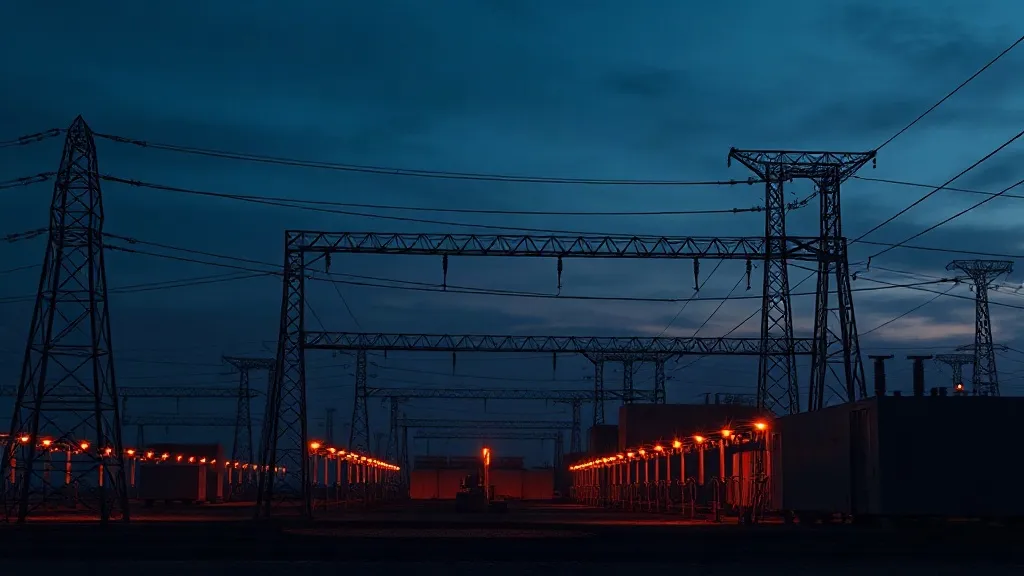
A power substation at dusk with faint light trails connecting transformers and storage units, suggesting automated grid coordination.

The Grid Is Getting a New Operator, and It Isn't Human

AI systems are shifting from consuming grid power to making real-time dispatch decisions, and that reclassification changes who is accountable when something goes wrong.

A safety technician stands beside an industrial turbine covered in glowing sensor lights at dusk.

The Skills Gap AI Is Widening, Not Closing

Industrial operators are deploying AI hazard detection to cover a labor shortage, but the human judgment needed for the unmodeled event is eroding faster than the AI's competence grows.

Industrial biogas upgrading pipework and gauges lit by cool control-room light at dusk.

The Optimization Loop Is Outrunning the Safety Case

AI now adjusts biogas and energy storage processes continuously, but the permits and safety cases governing those processes were built for static setpoints, not real-time control.

Aerial view of converging flight paths above a darkened landscape suggesting automated airspace coordination.

Autonomous Airspace Coordination Is Outrunning Its Certification Path

NASA's Phase II award for an AI-driven airspace coordination network exposes a widening gap between deployable autonomy and the certification frameworks meant to govern it.

A glowing network of light connects a laboratory vial to abstract molecular structures, symbolizing AI woven into drug discovery.

Clinical AI's Financial Case Is Made. Its Audit Trail Isn't.

Drug discovery and trial AI are proving their financial return faster than sponsors are building the validation records to defend that work at inspection.

An aircraft contrail dissolving into abstract atmospheric streaks over open ocean at dawn

The Contrail Trial Is Also an AI Act Compliance Test

Google and NATS are piloting AI contrail-avoidance forecasts inside live UK airspace, putting EU AI Act high-risk obligations to their first real operational test.

An hourglass with mechanical device fragments suspended in falling sand, symbolizing a regulatory deadline that has shifted but not disappeared.

The EU AI Act Extension Is Not the Relief It Looks Like

Brussels pushed back the high-risk AI Act deadline for regulated medical devices, but MDR and IVDR certification bottlenecks did not move with it.

Close-up photograph of an aircraft wing leading edge with ice crystals forming in flight, set against a pale grey sky

EASA's Icing Warning Is an AI Validation Problem, Not Just a Weather One

EASA's admission that atmospheric icing remains insufficiently understood exposes a hidden validation gap for AI-enabled ice detection and anti-icing systems.
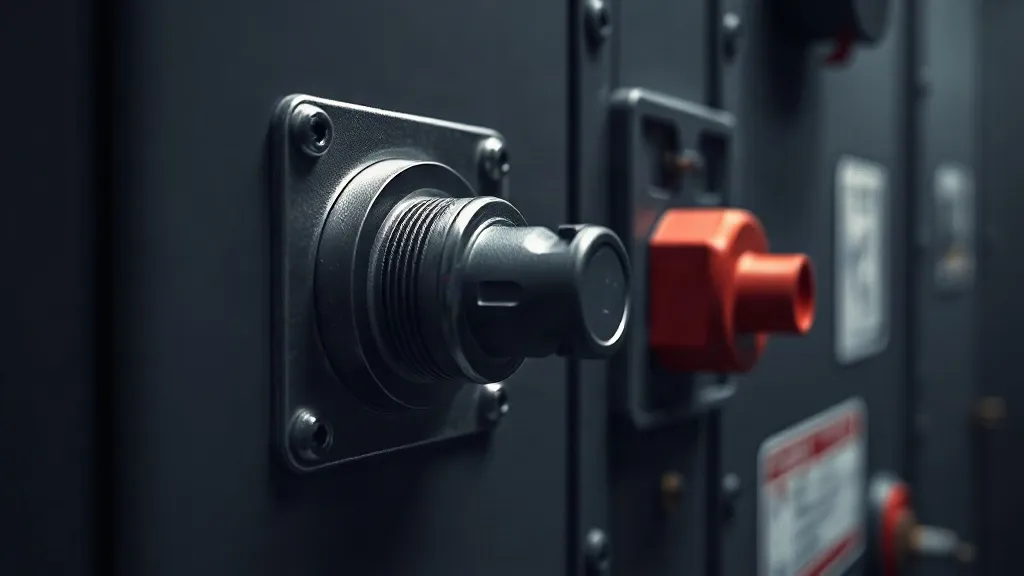
A close-up photograph of a mechanical safety interlock switch on an industrial control panel with an emergency shutoff lever visible behind it.

Physical AI Needs an Override Standard, Not a Trust Layer Brand

As AI systems actuate breakers and throttle industrial assets, buyers need a certifiable override standard, not a vendor's proprietary trust claim.

An engineer inspects an industrial control system at night, lit by blue instrument light, in a facility with pipes and gauges.

When AI Tunes the Process, Which Framework Governs the Record?

AI process control is now shaping regulated credit claims in biogas and RNG production, and no framework yet specifies who audits the machine's decision trail.

An industrial worker watches automated safety sensors monitor machinery from a distance on a dimly lit factory floor.

The Safety Gains Are Real. So Is the Skill You're Losing.

AI-driven hazard detection is cutting industrial incident rates while quietly eroding the human judgment regulators and insurers still assume workers have.

A human hand and a robotic arm converging toward a single point of light in a clinical setting, symbolizing parallel evaluation of clinicians and AI devices.

The Doctor Test for AI Devices

FDA's move toward clinician-style, ongoing assessment of AI-enabled devices reshapes what counts as durable evidence, ahead of any final guidance.

A clinician walks through a glass hospital corridor illuminated by abstract flowing light patterns, symbolizing AI governance built inside care settings.

The Governance Gap Belongs to the Deployer, Not the Regulator

Hospitals and pharma functions adopting generative AI now carry governance obligations that device and drug frameworks were never built to cover.

A jet engine in a dim hangar with faint dissolving light particles above it, evoking missing risk data for aviation AI.

Insuring the Unflown: Aviation AI Has No Loss History

As AI moves into cockpits, MRO, and eVTOL, insurers are underwriting aviation risk with no actuarial base, forcing buyers to substitute governance evidence for loss data.
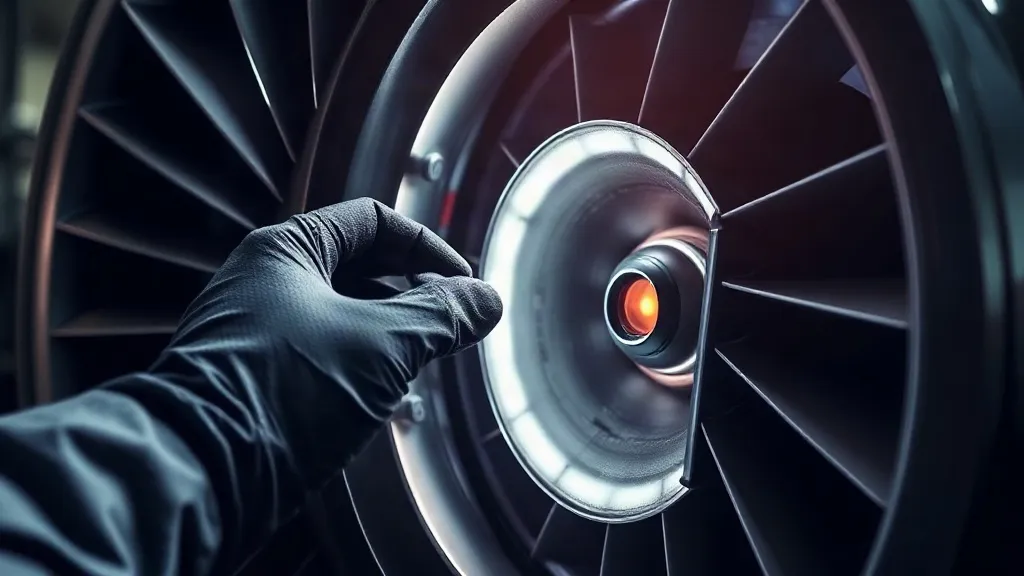
A robotic surgical arm glowing with fiber-optic light inside a sterile operating theater.

The AI Lifecycle Decision Medtech Can't Wait to Make

J&J's Monarch clearance shows predetermined change control plans already govern AI updates, a lifecycle discipline device makers need now, not after genAI guidance lands.

A technician inspects a jet engine turbine blade with a borescope in an engine MRO facility.

Who Signs the Maintenance Log When AI Wrote the Recommendation

As engine MRO providers adopt AI decision support, liability for AI-informed maintenance calls remains unallocated between vendor, MRO, and insurer.

A factory robotic arm shown with a faint independent reflection layered over it, symbolizing a separate safety verification layer.

Physical AI's Safety Layer Can't Be One Vendor's Story

Regulated buyers deploying physical AI should demand safety verification independent of the vendor, matching the standard ISO 42001, the EU AI Act, and FDA/MDR pathways already set.
An industrial robotic arm operating alongside a human worker on a factory floor.

Record Robot Installations Prove Demand, Not Readiness

Global industrial robot deployment is hitting record highs, but the compliance question buyers face is verification under live conditions, not unit counts.

A physical aerospace test model transitioning into a digital mesh, symbolizing AI surrogate modeling replacing traditional validated testing.

The Compliance Question Surrogate Models Can't Answer

AI surrogate models are replacing validated engineering and lab tools faster than ISO 42001, the EU AI Act, and FDA regimes can absorb them.
A veteran technician stands beside an idle industrial robotic arm on a dimly lit factory floor.

The Labor Shortage Machines Were Built to Fix Is Creating a Skills Debt They Can't Repay

Record industrial robot deployment is solving a headcount problem while quietly eroding the human competency base that AI oversight regimes assume still exists.

Abstract image of aircraft contrails fading above a radar-like pattern in the sky

The Contrail Trial Exposes a New Kind of Aviation AI Risk

A North Atlantic contrail avoidance trial shows how AI-driven environmental claims and rerouting decisions are outrunning verification and liability frameworks.

Two interlocking clock gears of different sizes photographed in dim industrial light, symbolizing misaligned regulatory timelines.

The FDA Is Still Asking Questions. Brussels Already Moved Its Clock Once.

FDA's open genAI comment period and the EU's already-shifted AI Act deadlines argue for building the shared lifecycle core, not betting on either jurisdiction's paperwork.

A worker and an industrial robotic arm under a single work light on a dark factory floor, illustrating shared human and machine oversight.

The Industrial AI Safety Gap Is a Dataset Problem You Can Now Measure

A new industrial inspection benchmark and a wave of safety-layer capital give buyers a way to test vendor hazard-detection claims instead of trusting them.

A technician works on an open aircraft engine in a dimly lit hangar, illustrating AI's growing role in maintenance operations away from the cockpit.

The Real AI Governance Gap Sits Behind the Flight Deck

AI is spreading into MRO records, ground operations, and flight planning faster than certification frameworks can follow, and the risk is accumulating off-camera.

Abstract split-path image representing generative AI diverging between regulated clinical devices and unregulated drug discovery applications

Generative AI Isn't Breaking Device Rules. It's Avoiding Them.

FDA's generative AI vacuum in clinical SaMD is pushing vendor activity toward drug discovery applications that sit outside device regulation entirely.

Robotic arms operating on a factory floor with a human worker observing at a distance under blue industrial lighting.

Physical AI Safety Is Being Priced Ahead of the Standard That Should Define It

Capital markets are pricing autonomous-machine safety infrastructure before regulators have defined what a defensible hazard dataset looks like.

An engineer stands before an illuminated industrial control room where glowing data trails connect sensors across a power substation at dusk.

When AI Stops Advising and Starts Operating the Grid

As AI shifts from analytics to closed-loop control in energy and industrial systems, validation and human-override design become the real governance test.

Abstract layered glass and molecular lattice imagery symbolizing two different speeds within a regulated system

AI Drug Discovery's Capital Boom Sits Outside the Regulatory Perimeter, Not Ahead of It

Discovery-stage AI funding is surging, but the mismatch compliance leaders should track is structural, not a simple case of regulation lagging money.

Wide shot of an industrial facility with on-site generation, storage, and transmission infrastructure converging at dusk.

When Energy Optimization Software Becomes Grid Infrastructure

AI systems making real-time energy allocation decisions across generation, storage, and grid draw are being bought as software, not governed as infrastructure.

A jet engine turbine blade under inspection lighting inside an aviation maintenance hangar.

AI Is Entering the Maintenance Record, Not Just the Cockpit

As MRO providers adopt AI for engine maintenance decisions, the real test is whether audit trails can withstand FAA and EASA scrutiny.

A jet engine surrounded by abstract glowing data threads, symbolizing AI embedded in aviation maintenance and operations.

Aviation Is Deploying AI Faster Than It Can Certify It

MRO, cockpit, and airspace AI are advancing across aviation while the FAA still lacks a settled safety assurance method, raising airworthiness and liability exposure.

A jet contrail curving and dissolving into faint particles against a pale sky, symbolizing AI-influenced flight routing

Aviation's AI Decisions Are Outrunning Its Liability Maps

Insurers are repricing aviation AI risk before liability attribution is settled, and the counterargument that human oversight still anchors accountability deserves scrutiny too.

An aircraft contrail fading over open ocean beneath a satellite's-eye view of the sky

Aviation's Climate AI Needs a Verification Standard, Not Just a Model

As airlines and regulators lean on machine learning to forecast and verify contrail avoidance, the missing piece is an audit standard for the claims themselves.

Scaffolding and steel framework around a partially built structure at dusk, symbolizing a regulatory system still under construction.

FDA's Postmarket AI Machinery Is Still Under Construction

Recent FDA moves on AI-enabled devices signal a postmarket framework taking shape, but the agency's own uncertainty argues against treating early engagement as a settled strategy.

Two diverging streams of light representing separate regulatory paths converging near an abstract anatomical form.

The FDA-EU Fork in AI-Enabled Medical Devices

FDA is building adaptive, lifecycle-based pathways for AI-enabled devices while the EU stacks AI Act obligations atop MDR and IVDR, forcing a sequencing decision now.

A robotic surgical instrument shown transitioning from precise mechanical form into abstract digital blur, symbolizing the boundary between validated and unvalidated AI.

The Generative AI Gap in FDA's Device Playbook

FDA has cleared over 1,000 AI-enabled devices, but generative AI features still lack a defined regulatory pathway, forcing sponsors to choose their architecture carefully.

An inspector stands beneath a robotic arm on a dimly lit factory floor, illustrating human oversight of AI-driven safety inspection.

The Two Blind Spots in AI-Powered Safety Inspection

Industrial AI vision systems for hazard detection are only as strong as their training data and the human skills they quietly displace.

Airflow particles around a wing form, transitioning from detailed physical simulation to abstract data patterns.

When AI Simulation Becomes Certification Evidence

Aerospace and industrial manufacturers are swapping physics simulation for AI surrogate models, and certification frameworks have not caught up.

Aircraft contrails crossing a dawn sky over open ocean, one trail visibly altered from the rest.

Aviation Has a Proving Ground. It Just Doesn't Know It Yet.

A contrail trial, a maintenance rollout, and a pilot-training study show aviation already runs AI proving grounds ad hoc, with no structure connecting them.

Rows of glass vials fading from sharp focus into blur under a single overhead light, evoking uneven scrutiny across a safety monitoring system.

The Evidence Gap PV Automation Never Has to Close

FDA's mounting scrutiny of AI medical devices reveals evidence gaps even for cleared products, while pharmacovigilance AI faces no such test at all.

A multi-layered glass hourglass with sand suspended between tinted panes, symbolizing a regulatory grace period built from stacked compliance layers.

The Extended Clock Is Not a Reprieve

The EU AI Act's delayed enforcement dates for medical device AI give sponsors more runway, but only if they use it to align MDR/IVDR and AI Act evidence now.

A human hand and a mechanical hand reach toward each other under clinical light, symbolizing shared judgment between physicians and AI systems.

The Comment Window That Will Define GenAI Medical Devices

FDA's open docket on generative AI medical devices is the narrow window life sciences leaders have to shape binding rules before they harden.

An industrial plant floor with machinery fading into darkness and one lit control room in the distance, symbolizing the gap between AI pilots and governed scale.

The 72/10 Problem: Why Industrial AI Stalls Before It Scales

Most manufacturers have deployed AI, but only a tenth scale it, and the gap is governance, not algorithms.

A lone illuminated control console stands out against a darkened industrial plant floor, symbolizing one certified operator among many still deciding.

ISO 42001 Gets a Precedent, Not a Verdict

NADEC's ISO 42001 certification gives industrial AI buyers a reference point, but one certificate does not settle whether the standard closes the gap between documented control and operational reality.

Abstract visualization of data nodes split between localized and centralized routing paths across a translucent regional boundary.

The Architecture Decision Pharmacovigilance AI Cannot Defer

Cross-jurisdictional data rules are forcing pharma safety teams to choose between centralized and localized AI architectures before regulators force the choice for them.

A worker beside an industrial robotic arm connected by faint glowing threads suggesting transmitted knowledge.

The Quiet Successor: AI as Institutional Memory in Industrial Plants

As agentic AI fills the knowledge gap left by a shrinking industrial workforce, firms need an audit trail for what the AI is teaching, not just what it automates.

Battery storage arrays and transmission towers at dusk with a distant data center on the horizon.

The Grid's New Feedback Loop: AI Managing the Load AI Creates

AI-driven data center demand is pushing utilities toward AI-managed storage and dispatch, quietly expanding critical infrastructure governance exposure.

A small electric training aircraft on a runway at dawn with its shadow crossing differently colored ground markings, symbolizing divided regulatory jurisdictions

Type Certified in Europe. Exempted in America.

The Velis Electro's patchwork of approvals shows that electric aircraft certification does not travel across borders the way buyers assume.

Silhouette of a pilot in a dimly lit cockpit with an abstract glow of light suggesting an AI system overlaying the instruments.

Pilots Are Flying With AI Already. Nobody Has Agreed How to Check It.

FAA and EASA acknowledge aviation lacks a settled method to assure AI safety in cockpit systems, leaving airlines and OEMs to build evidence without a fixed target.

An abstract image of a clinician's silhouette overlaid with a translucent glowing data network in a hospital corridor.

FDA Clearance Is Not the Evidence Trail

FDA-authorized AI devices are outpacing the evidence behind their safety and equity claims, leaving health systems to build the diligence layer themselves.

Abstract image of a clinician's hand meeting a translucent data structure in a softly lit hospital corridor, symbolizing continuous performance evaluation.

The FDA's Open Docket Is the Real Deadline

FDA's move toward assessing generative AI devices like clinicians raises real feasibility questions, but sponsors who wait for guidance will lose the argument.

An aircraft silhouette above layered abstract risk grids symbolizing insurance underwriting for AI in aviation

The Underwriters Are Becoming the Real AI Certifiers

As aviation AI outpaces formal safety assurance, insurers are quietly setting the terms buyers must satisfy to fly.

Gloved hands adjusting a translucent medical device model under clinical blue lighting.

The PCCP Is the Real Decision, Not the Generative AI Docket

FDA's Predetermined Change Control Plan guidance, not the open generative AI docket, is the mechanism sponsors must decide on now for AI-enabled devices.

A humanoid robot standing at the boundary between a fenced industrial robot cell and an open collaborative workspace on a factory floor.

When the Robot Doesn't Fit the Category

AI-enabled humanoid and mobile robots are blurring the line between industrial and collaborative machines, forcing a safety classification decision before deployment.

An aircraft wing test model transitioning from physical metal into a field of abstract data particles, symbolizing simulation giving way to AI surrogate modeling.

When the Simulation Becomes the Surrogate: Aerospace Certification Meets Statistical Models

Aerospace engineering teams are swapping physics-based simulation for AI surrogates in compliance workflows, and airworthiness certification has no settled answer for auditing that substitution.

Industrial machinery blending into glowing circuit patterns to represent AI systems taking direct control of physical operations.

When AI Stops Advising and Starts Actuating

Agentic AI is moving from dashboards into direct control of industrial and grid operations, and assurance frameworks have not caught up.

A surgical tray under split lighting, part crisp and part blurred, evoking a medical AI system in continuous change after approval.

Clearance Was Never the Finish Line

FDA's predetermined change control pathway shifts the real compliance burden from initial authorization to lifecycle governance of AI models after they ship.

An industrial control room with mostly empty operator stations and one worker standing amid the vacant seats.

Industrial AI's Talent Pitch Assumes a Workforce It Is Depleting

The industrial AI augmentation narrative depends on a senior verification workforce that the same labor shortage driving AI adoption is actively removing.

Abstract illustration of flight paths and network lines converging over an aircraft silhouette at dawn, symbolizing distributed aviation safety systems.

Airworthiness Is Becoming a Property of the System, Not the Aircraft

FAA's Part 108 drone framework and live AI forecasting in ATC decisions show certification shifting from airframes to software stacks that update faster than any type cert.

An unmanned aircraft hovering above layered glass panels symbolizing separate tiers of safety certification.

Aviation Is Building a Second Certification Track for Autonomy

EASA's SAIL rating for Shield AI's V-BAT signals that autonomy and inference stacks now need their own assurance case, separate from the airframe.

Rows of empty archival drawers in dim light with one drawer open, symbolizing regulatory frameworks not yet built for new AI tools.

The Real Gap Isn't Evidence. It's Framework Fit.

AI medical device clearances are outpacing the regulatory architecture meant to govern them, and hospitals are deploying generative AI ahead of any classification at all.

A hospital corridor with faint glowing light trails behind the walls, symbolizing unseen AI systems operating inside clinical infrastructure.

The Governance Gap FDA's Rulemaking Won't Reach

FDA is still asking questions about generative AI in medicine while health systems already run it inside clinical workflows unmonitored.

A refinery control room at dusk with a technician watching monitors while a robotic arm operates on piping visible through the window outside.

When AI Starts Moving the Machinery

Agentic AI is shifting from advisory dashboards to direct control of refinery and plant equipment, and the safety case ownership question has not caught up.

Abstract close-up of aircraft wiring converging at a glowing junction, symbolizing autonomous code entering a certified system

When the Coder Is an Unrated Component

AI coding agents now modify production software with no aviation-grade assurance framework, a gap regulated buyers cannot ignore.

A clinical reading room with a glowing scan beside empty file folders, symbolizing incomplete evidence behind cleared AI medical devices.

Cleared Is Not Validated: The Evidence Gap Behind FDA's AI Device Count

FDA's public summaries for AI-enabled devices were built to demonstrate fairness, but their format makes that fairness nearly impossible to verify.

Two aircraft from different countries parked on either side of a tarmac boundary line at dusk, symbolizing unresolved cross-border certification recognition.

Aviation's AI Template Has a Recognition Problem

Aviation's tiered certification model is becoming AI governance's default architecture, but its unresolved cross-border recognition gap should worry regulated AI buyers just as much.

A drone aircraft in a hangar beside an open flight recorder casing at dusk, evoking unresolved questions about AI safety assurance.

Aviation-Grade AI Governance Is Borrowing Credibility From an Unsolved Problem

Tech firms want AI incident forensics modeled on aviation, but aviation regulators admit they lack a settled method for AI safety assurance.

Two runways at dusk, one lit continuously end to end and the other lit in disconnected fragments, symbolizing the difference between certification that travels and certification that does not.

Validation Travels. Workarounds Don't Scale.

Aviation shows a real difference between mutual-recognition validation and bilateral workarounds, and AI governance buyers need to know which one they're building.

An industrial worker wearing biometric safety sensors near refinery equipment at dusk.

The Safety Wearable Is Now a Regulated Decision-Maker

Biometric and proximity safety wearables in energy and industrial plants are starting to meet the legal definition of automated decision-making technology.

A helix of light splitting into a focused path and a dissolving, static-like path against a dark background, symbolizing a medical AI model diverging after authorization.

The PCCP Is the Real Clearance

FDA's predetermined change control plans, not the original device clearance, now define how far an AI-enabled medical device can drift without new review.

A lone analyst reviews holographic trial data in an otherwise empty clinical monitoring room lit in blue light.

The Governance Gap in Clinical Trial Operations AI

Agentic AI is spreading through trial enrollment, monitoring, and feasibility work faster than FDA, EU AI Act, or ISO 42001 pathways built for medical devices can reach it.

A flight data recorder sits isolated under a single light in an otherwise dark hangar, symbolizing incident data without an investigative process around it.

The Black Box Analogy Only Works With an NTSB Behind It

Nvidia's push for AI agent flight recorders borrows aviation's most visible artifact while skipping the investigation infrastructure that makes it useful.

A clinician reaches toward a glowing network of data nodes, half crisp and half dissolving into static, above a hospital bed.

AI Clinical Decision Support Is Scaling Past Its Evidence

FDA clearance and predetermined change control plans govern AI software lifecycle, not clinical benefit, leaving hospitals to own the evidence gap.

Glowing molecular structures hover above empty hospital gurneys in a dim laboratory, symbolizing the gap between AI-driven discovery and clinical trial execution.

The AI Drug Discovery Boom Is Outrunning Trial Execution

Generative AI is accelerating molecule design, but no AI-discovered drug has cleared trials, and regulators have yet to define how AI governs the trials themselves.

An engineer inspects industrial refinery equipment under dim lighting as steam rises around pipework.

When AI Enters the Safety Loop, Deterministic Standards Start to Bend

Refiners and manufacturers are putting AI inside safety-critical decisions, but the verification standards built for deterministic control were never designed for it.

Abstract clinical trial operations center with streams of light connecting monitoring stations, symbolizing ungoverned AI coordination across trial execution.

The Clinical Trial Has No AI Rulebook

Sponsors are deploying AI across trial execution with no dedicated regulatory framework, leaving GCP and data integrity obligations to fill the gap alone.

An hourglass on a steel table in a dim clinical corridor, sand falling, symbolizing a regulatory countdown for medical device AI.

The EU AI Act Grace Period Is a Countdown, Not a Pause

Brussels pushed high-risk AI enforcement for medical devices to 2027 and 2028, but the multi-year MDR/IVDR build-out clock is already running.

Abstract visualization of a clinical AI decision network with some data connections rendered sharp and others fading into static.

Clinical Decision Support AI: Cleared, Not Proven

High-risk AI clinical decision support is scaling through FDA and IVDR pathways faster than its evidence base, leaving compliance leaders to close the gap regulators haven't.

An engineer studies glowing instrument panels in a darkened aircraft hangar, evoking the scrutiny required to verify AI-assisted flight software.

The Plane Crash Analogy Only Works If the Toolchain Backs It Up

Tech giants want AI failures treated like aviation incidents, but that framing only holds if the underlying toolchain carries real qualification evidence.

Cockpit interior of a commercial jet during a low-light landing approach, instrument glow lighting the flight deck.

Autonomous Landings Need Their Own Black Box

Airbus's AI landing trial and Nvidia's push for AI action logs point to the same gap: aviation certification demands auditable evidence, not just working code.

An engineer inspects industrial piping in a dimly lit refinery control area, evoking the human oversight layer behind automated safety systems.

The AI Safety Layer Is Outrunning Its Own Certification

Refiners and manufacturers are embedding AI into safety-critical decisions faster than functional safety and cobot standards can validate them.

A commercial jet on a runway at dawn connected by faint glowing lines to distant control towers, symbolizing regulatory pathways to market access.

For the C919, Certification Is the Product

COMAC's C919 shows that airworthiness certification, not airframe performance, is what actually gates access to global aerospace markets.

A partially disassembled clock with exposed gears standing in a sterile hospital corridor, symbolizing misaligned regulatory timelines.

The EU AI Act Reprieve Is a Timing Bet, Not a Pause

Digital Omnibus alignment gives AI-enabled medical devices breathing room on paper, but MDR/IVDR certification obligations have not moved and neither has the underlying risk.

Transmission towers and power lines at dusk with light trails suggesting data flowing through an energy grid

Grid AI Capital Is Moving Faster Than the Proof Behind It

Energy infrastructure capital is being allocated to AI-driven grid modernization faster than utilities can document what that AI actually delivers.

A jet engine glowing with a pulsing blue light in a dark hangar, evoking continuous health monitoring rather than a static inspection.

Airworthiness Doesn't End at Certification. For AI, It Can't.

A new AFWERX contract for real-time model health monitoring signals that AI assurance in defense and aerospace must be continuous, not a one-time certification event.

A factory worker walks across a dimly lit industrial floor beneath faint projected light patterns that suggest an unseen monitoring system.

The Safety Sensor Just Turned Toward the Worker

Driver-monitoring AI is migrating from vehicles to factory floors, turning workers into the sensor layer and pulling connected-worker tech into EU AI Act high-risk territory.

A lone human figure stands at a distance in a dim industrial control floor while machinery operates autonomously under blue and amber lights.

Two Curves, One Decision: Agentic AI's Control Authority Is Outrunning Its Oversight

Industrial operators are handing agentic AI direct control authority faster than monitoring tools can verify it, and buyers need a risk tier to tell the two apart.

A commercial aircraft descending through clouds at dusk, symbolizing the approach to AI-assisted landing systems.

Airbus's AI Landing Trial Is Modest. The Certification Question It Raises Isn't.

Airbus's Mistral-assisted landing trial is workload automation, not autonomy, but it still exposes gaps in how aviation certifies learned software.

Glowing molecular structures multiplying rapidly on one side and funneling through a narrow glass bottleneck on the other, symbolizing the gap between AI drug discovery and clinical trial execution.

AI Can Design a Drug. It Still Can't Get One Approved.

Generative AI is accelerating drug candidate design, but no AI-discovered molecule has reached approval because clinical trial execution and its regulatory footing remain unresolved.

A commercial aircraft flying across a boundary between two differently lit cloud systems, representing separate regulatory zones.

The C919's Real Test Isn't Mongolia. It's the Bilateral Chain Behind It.

COMAC's first international C919 flight bypasses FAA and EASA certification entirely, and the bilateral recognition strategy behind it deserves more scrutiny than the headline route.

A technician examines exposed avionics wiring inside a military aircraft during ground testing, lit by cool blue diagnostic light.

Explainable AI for Defense Systems Is Still R&D, Not a Certified Capability

Fresh SBIR funding for real-time model health monitoring shows explainable AI assurance in defense aerospace remains pre-competitive research, not a purchasable safeguard.

An empty clinical workstation glowing with blue monitor light in a darkened hospital corridor, symbolizing AI decision support running ahead of evidence and oversight.

The Evidence Gap Behind AI Clinical Decision Support

AI decision support tools are scaling into hospitals faster than the evidence and oversight infrastructure needed to trust them.

A dimly lit factory robotic arm with a softly glowing control unit, suggesting embedded AI hidden within industrial equipment.

The Vendor Blind Spot Now Living Inside Your Equipment

Frontier labs took weeks to notice their own models were hijacked, and that detection lag is now embedded wherever industrial vendors build on those models.

Abstract image of a mechanical gate within a glowing network of pathways, some open and some sealed, symbolizing controlled change management.

The Clearance Isn't the Risk. The Change Control Plan Is.

As high-risk AI medical devices scale, the decisive diligence question shifts from FDA clearance status to what a manufacturer's change control plan permits it to alter unsupervised.

Rows of automated semiconductor manufacturing equipment connected by glowing data conduits in a cleanroom bay.

Chip Equipment Orders Are Writing AI Governance Nobody Has Defined Yet

Samsung and SK hynix are mandating embedded AI agents in new equipment orders faster than ISO 42001 or the EU AI Act can define what compliant industrial AI actually requires.
A turbine blade rendered half sharp and half blurred, evoking a certified system whose behavior is drifting over time.

Static Certification, Shifting Models: What's Actually New

The gap between one-time AI certification and continuous model drift is old news; the funding and liability questions forming around it are not.

A divided industrial control room with one half staffed by human operators and the other half dark and unattended, symbolizing selective automation.

What You Didn't Automate Is Now a Governance Artifact

As industrial AI deployment accelerates unevenly, the decision to withhold automation is becoming as auditable as the decision to deploy it.

Empty clinical trial monitoring facility lit by blue equipment lights with a single shaft of sunlight breaking through a skylight.

The Money Is Ahead of the Rulebook in Trial AI

Capital is flooding into AI for clinical trial conduct while regulators have yet to define what governs it, leaving sponsors exposed.

Abstract image of a tissue sample overlaid with a data grid, symbolizing an AI algorithm functioning as a biological biomarker

When the Algorithm Is the Biomarker

Computational pathology AI blurs device and biomarker regulation, but predetermined change control plans, not model freezing, may be the real fix.

A scorched flight data recorder half-buried on an empty foggy runway at dusk.

A Recorder Is Not an Investigator

AI vendors are borrowing aviation's black box for accountability, but the metaphor skips the investigative infrastructure that actually makes it work.

A narrow beam of light passing through a gap between two stone slabs, symbolizing a regulatory exemption under pressure.

The Exemption Your CDS Tool Is Standing On Is Under Review

FDA's Section 3060 review of clinical decision support flexibilities means hospitals should stop assuming their AI-driven CDS tools sit outside device regulation.

A factory robot and human worker stand on opposite sides of a glowing floor boundary, symbolizing a safety envelope between automated and human work zones.

The Compliance Clock Slowed. The Physical Risk Didn't.

EU AI Act delays and carve-outs for industrial AI are widening the gap between regulatory relief and unresolved physical-world safety science.

Abstract layered forms contrasting a fixed structure with a fluid, shifting one to evoke static documentation versus adaptive systems.

MedTech Diligence Now Has to Read Change Plans, Not Just Technical Files

AI-enabled devices are adding predetermined change control plans to MDR/IVDR technical files, and buyers evaluating MedTech targets need to diligence both.

A luminous bridge connecting two distinct rock formations, symbolizing a unified regulatory pathway between separate compliance regimes.

The PCCP Window Before the AI Act Deadline Closes

IMDRF's new PCCP principles and the EU AI Act's delayed medtech deadline create a narrow window to build one change control architecture instead of two.

Modular energy storage containers deployed at a power site under a dusk sky, with transmission towers in the background.

Power Ahead of the Grid, Ahead of the Rules

Gigawatt-scale AI data center power deals are outrunning both utility interconnection and AI safety regulation, leaving operators to self-govern autonomous grid control.
A robotic inspection arm examines a machined industrial part under blue sensor light on a factory floor.

Who Revalidates the Model

As industrial AI moves into design control, inspection, and compliance monitoring, lifecycle re-validation, not deployment speed, becomes the real audit risk.
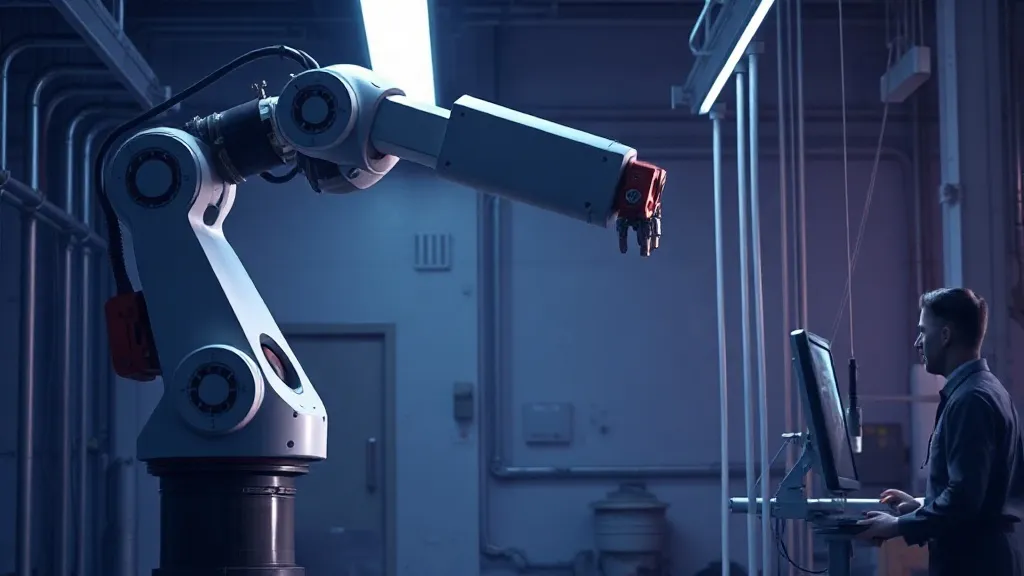
An industrial robotic arm operating near a technician on a factory floor under blue overhead lighting.

The EU AI Act Delay Buys Time, Not Cover

Extended EU AI Act deadlines and product-safety carve-outs shift industrial AI risk onto existing machinery and quality regimes, not away from scrutiny.

Abstract image of two intersecting light arcs, one medical and one technological in form, with a visible unaligned gap between them.

The Change-Control Gap Between MDR and the AI Act

Predetermined change control plans reveal the specific reconciliation gap between MDR/IVDR certification and EU AI Act obligations for adaptive medical algorithms.

A hand balances a scale between a stack of paper files and a shifting glowing sphere, symbolizing documentation valued against an unsettled standard.

The MedTech Compliance Asset Has a Shelf Life

MedTech buyers are pricing compliance documentation as a deal asset, but the standards that file is graded against are still being written.

A bridge cable splitting into two diverging strands over water, symbolizing regulatory paths that have not yet converged.

The PCCP's Global Convergence Is a Hypothesis, Not Yet a Standard

IMDRF has laid out principles for regulators to adopt predetermined change control plans, but FDA and the EU's MDR/IVDR regime remain far from aligned.

Aerial view of a river delta branching into new channels across dry terrain, symbolizing broadened evidence pathways without added structure

FDA's RWE Guidance Widens the Door. It Doesn't Lower the Bar.

FDA's final real-world evidence guidance broadens what device sponsors can submit, but the decision that matters is whether data pipelines can meet the traceability bar the broader door implies.

Glowing molecular structures float above empty laboratory shelves, symbolizing abundant AI-driven discovery without regulatory proof.

AI Drug Discovery's Evidence Gap

Billions have flowed into AI drug discovery with zero FDA approvals, and the bottleneck is evidence infrastructure, not molecule generation.

A quiet clinical consultation room with an ambient listening device on the desk between a clinician and patient.

Ambient Voice AI Just Crossed the Medical Device Line

MHRA guidance on ambient voice technology signals that clinical AI scribes and voice assistants are now squarely inside medical device regulation, not adjacent to it.

A robotic arm sweeps sensor light across an industrial floor in low ambient lighting, evoking automated safety monitoring.

The EU AI Act's Lighter Touch Is Not a Lighter Burden

Extended deadlines and narrower scope for industrial AI under the EU AI Act shift compliance obligations onto existing safety and quality frameworks rather than removing them.

Hands fitting together translucent glass gears on a dark table, symbolizing the mechanics of valuing regulatory governance in a life sciences acquisition.

In HealthTech M&A, AI Governance Is Now a Line Item on the Term Sheet

Buyers in HealthTech and MedTech deals are pricing AI governance maturity directly into valuation, not treating it as a closing condition.

A single illuminated notebook on an empty conference table surrounded by rows of unlit chairs, evoking one voice claiming authority in an otherwise quiet room.

One Journal Article Is Not Yet an AI Audit Standard

A single peer-reviewed framework is being framed as the working audit standard for generative AI mental health tools, and compliance leads should treat that framing with more caution than the coverage suggests.

Split image showing a physical aircraft under test alongside an abstract stream of flowing data particles, symbolizing two parallel tracks of AI certification.

Defense AI Certification Is Becoming a Two-Track Problem

Runtime monitoring is emerging alongside, not instead of, pre-deployment certification, and buyers need to hold vendors accountable for both.

An industrial robotic arm operating in a dusty factory environment with faint sensor tracking overlays.

Lab-Safe Is Not Field-Safe: The Physical AI Validation Gap

Industrial robotics and machine vision are outpacing safety validation methods built for static, deterministic systems, forcing a shift to continuous lifecycle monitoring.

A physical calibration gauge sits beside an abstract shifting cloud of light on a factory workbench, symbolizing the gap between instrument drift and model drift.

The Calibration Analogy Doesn't Hold, and That's the Real Problem

Quality teams are borrowing instrument-calibration logic for AI drift, but the metrology underneath doesn't transfer, and that gap is where audits will fail.

Glowing digital data particles representing AI-driven drug discovery converge on a stone archway symbolizing regulatory evidence requirements.

AI Discovers Drugs. It Doesn't Approve Them.

AI drug discovery has drawn billions in investment but zero FDA approvals, and the bottleneck sponsors need to plan for is evidence, not speed.

Three colored channels of a river diverging and reconverging under a misty dawn sky, symbolizing parallel regulatory pressures on a single timeline.

MDUFA VI Is a Capacity Signal, Not the Whole Story

The MDUFA VI negotiation matters for AI device review capacity, but sponsors treating it as the sole variable are missing parallel forces already shaping their timelines.

An illuminated paper hovers above a dim archive of closed files, symbolizing a single publication mistaken for finished regulatory guidance.

A Journal Article Is Not a Regulatory Safe Harbor

A Nature Medicine audit framework for AI mental health tools is being framed as a de facto FDA standard, but no published mechanism makes that so.

Abstract image of a surgeon's hands beneath a shifting holographic light field above an operating table, symbolizing AI surgical guidance in transition between regulatory categories.

Surgical AI's Classification Is a Bet, Not a Badge

Medtronic's Aide platform is cleared as a low-risk data system, but AI-assisted surgery is moving toward active guidance faster than that classification can hold.

Abstract image of a cockpit panel with a faint network of light overlaid on the horizon, suggesting an AI decision layer inside the aircraft.

Aerospace Has Two Kinds of AI Assurance. Agentic Systems Need a Third.

Certification and model health monitoring both fall short of testing whether an agent's decision loop can be manipulated before it acts.

A commercial airliner on approach at dusk with an overlay of abstract data-mesh light patterns across its fuselage.

Autonomous Landings Won't Clear Certification on Capability Alone

Airbus's AI landing trials and new explainability mandates show FAA and EASA will certify model behavior, not just performance.

An industrial control room with glowing indicator lights overlooking a factory floor where a robotic arm operates.

The Closed-Loop Question: When Industrial AI Agents Get to Act Alone

Zero-miss safety trials and closed-loop agents are pushing plant leaders to decide how much autonomy AI gets inside existing quality and safety systems.

A single small gear straining to drive a much larger network of interlocked gears, symbolizing regulatory capacity strain.

When the Regulator's Capacity Becomes Your Risk

FDA's shrinking resourcing and the MDUFA VI negotiations mean AI device sponsors can no longer treat PCCP approval as the end of verification.

Three interlocking mechanical clocks running at different speeds, symbolizing misaligned regulatory timelines for AI-enabled medical devices.

Three Regulators, Three Clocks, One AI-Enabled Device

The EU, US, and China are each running statute ahead of certification infrastructure for AI-enabled medical devices, and manufacturers need one documentation architecture, not three.

Two cable bundles, one sealed inside conduit and one left open to inspection, symbolizing closed versus open compliance architectures in industrial AI.

Who Owns the Compliance Layer When Vendors Acquire It

Dassault's purchase of ArisGlobal and Red Hat's open agent-safety project show two competing paths for AI governance, and industrial buyers must pick one before they scale agentic AI.

An engineer alone in a large aerospace structural test lab, dwarfed by the scale of the facility around them.

Aerospace's AI Bottleneck Is Not the Model. It's the Validator.

As AI accelerates inspection, simulation, and structural analysis, the scarce resource is the credentialed workforce who can defend that evidence to FAA and EASA.

An aircraft silhouette dissolving into branching translucent pathways inside an industrial hangar, symbolizing autonomous decision paths outrunning fixed inspection routes.

The Assurance Gap Agentic AI Exposes Isn't Aviation's Alone

Agentic AI breaks the deterministic testing model behind DO-178C, and the same structural gap is emerging across ISO 42001, EU AI Act, and FDA regimes.

Three distinct colored light paths converging on an abstract glowing medical device against a dark background.

Three Regulators, Three Different Bets on AI Medtech

The EU, the US, and China are sequencing AI device oversight in opposite orders, and compliance leaders need to plan for all three.

A robotic X-ray inspection arm examining an aerospace component on a production line under blue industrial lighting.

AI Defect Detection Is Outrunning the Production Certificate

Deep learning inspection is moving onto aerospace production lines faster than FAA production certificate holders can document its evidentiary basis.

A clinician's hand hovers near a robotic ultrasound arm in a dim examination room, symbolizing the shifting boundary of human oversight in autonomous diagnostic AI.

The Oversight Question Autonomous Diagnostic AI Hasn't Answered

FDA's latest device clearances shift AI from assistive to autonomous interpretation, and compliance teams still lack a shared standard for human oversight.

Three tinted glass panes with faint internal patterns, symbolizing diverging regulatory views of the same technology.

HealthTech Buyers Are Pricing Compliance Before the Rules Agree With Each Other

Diligence teams valuing AI-enabled health devices are treating EU AI Act readiness as a settled asset, but FDA, EU, and China are still diverging on what that documentation must show.

Abstract photograph of a robotic inspection arm scanning a circuit board with layered light beams, symbolizing automated quality inspection.

The Inspection Layer's Governance Gap

Deep learning inspection tools are moving into FDA and MDR/IVDR-regulated production lines faster than the validation methods built to certify them.

Aerial view of a data center campus at dusk with power lines and cooling infrastructure converging around it.

When Energy AI Stops Monitoring and Starts Dispatching

AI systems are moving from monitoring power infrastructure to executing real-time control decisions, and operators lack a governance layer for who authorized that authority.

Transmission lines and a substation feeding power toward a distant illuminated data center campus under a stormy sky.

The Speed-to-Power Trade Nobody Is Underwriting

AI data center demand is spawning a market of grid speed-to-power intermediaries, and industrial buyers need a governance answer before they sign.

A factory robotic arm shielded by intact and fractured translucent panels, symbolizing uneven governance coverage of autonomous industrial AI.

Two Risk Ledgers, One Autonomous Agent

Industrial AI autonomy and AI agent security are the same governance question asked from opposite ends, and only one side has drawn real investment.

Abstract split image contrasting a clear, resolved network pathway with a dense, unresolved tangle of nodes, symbolizing divergent regulatory progress in life sciences AI.

Life Sciences AI Is Moving at Two Different Speeds

Diagnostic AI is clearing FDA review on schedule while AI-native drug discovery still has zero approvals, and the gap is documentation, not science.

A robotic arm and a human hand both reach toward a glowing industrial valve in a dimly lit plant, symbolizing shared control between AI agents and human operators.

When Safety AI Stops Advising and Starts Acting

Industrial AI agents are moving from flagging safety risks to raising incidents autonomously, forcing operators to define authority limits before regulators do.

Glowing light trails inside translucent glass panels converge down a laboratory corridor, symbolizing scattered data provenance consolidating toward a single verifiable record.

The Documentation Debt AI Drug Discovery Keeps Repeating

AI drug discovery's funding-to-approval gap echoes a governance failure regulators have already documented in medical devices, and the fix is the same.

An industrial plant floor overlaid with a faint glowing grid representing an invisible AI control and monitoring layer.

Plant-Floor AI Agents Are Closing the Loop Faster Than Governance Can Follow

Industrial AI agents are moving from advisory copilots to closed-loop actuation, and the audit infrastructure to govern them is still catching up.

Robotic inspection arms scan aerospace components in a warehouse while a human observer watches from an elevated catwalk.

Direct Delivery Authorization Is Colliding With AI-Driven Inspection

SAE's updated supply chain standard loosens incoming inspection just as AI-based NDT and optical inspection take over quality gates, raising a validation gap buyers must close.

Abstract image of countless glowing data strands funneling into a narrow beam of light, symbolizing regulatory oversight straining against a surge of AI-driven medical data.

The Governance Gap Behind FDA's AI Device Surge

FDA's AI-enabled device authorizations are scaling faster than lifecycle governance infrastructure, and the same gap is now stalling AI drug discovery approvals.

Abstract rendering of interconnected glowing nodes across a dark industrial floor, symbolizing coordinated machine governance.

The Governance Tooling Decision Behind Agentic AI Rollouts

A new open source coalition for AI governance testing forces energy and industrial buyers to choose between proprietary control stacks and shared standards.

An engineer's hand tracing a glowing stress analysis pattern across an aircraft wing surface.

Aerospace's AI Bottleneck Is the Signature, Not the Software

AI can generate stress analysis and defect findings faster than engineers can validate them against FAA and EASA standards, and that verification capacity is the real constraint.

A formation of metallic drones against a dawn sky with one drone breaking away on a divergent path.

Agentic AI Is Outrunning Aviation's Security Testing Playbook

Drone swarms and other agentic systems are entering aviation and defense procurement faster than security testing methods built for passive software can assess them.

Aerial view of three distinct currents flowing side by side without merging, symbolizing separate regulatory tracks that have not yet converged.

The Convergence Gap in AI Life Sciences Regulation

Regulators describe AI, digital health, and clinical trial law as converging, but FDA, UK, and Chinese actions show the frameworks are still moving on separate, misaligned tracks.

A robotic arm frozen mid-adjustment on a factory floor between a safety barrier and open machinery.

Agentic AI Is Outrunning Machine Safety Certification

Autonomous industrial and life sciences AI is now acting inside control loops that IEC 61508, EU AI Act risk tiers, and MDR/IVDR were not built to certify.

A single strand of DNA reflected through a fractured mirror into three diverging paths of light, symbolizing regulatory divergence.

AI Governance's Real Fault Line Is Classification, Not Geography

Divergence in AI rules across the US, EU, and China is driven less by geography than by conflicting definitions of what counts as a regulated AI function.

Three cracked glass panes under clinical light, symbolizing regulatory categories fracturing under new AI health technologies.

Health AI Is Straining Categories, Not Just Rules

US data provenance, UK product classification, and Chinese jurisdictional scope are all cracking under AI health tools that don't fit pre-AI regulatory taxonomy.

Two diverging highway lanes at dusk, one illuminated and one dim, leading toward an empty horizon.

Two New Fast Lanes for AI Devices, No New Evidence Standard

EU and FDA are both building faster pathways for AI medical devices, but neither has defined what evidence should earn a device the fast lane.

A cargo aircraft in a hangar at dusk with a faint digital overlay across its fuselage, symbolizing autonomous flight AI integration into a certified airframe.

In Autonomous Flight AI, the Certification Pathway Is the Product

Regulated buyers evaluating aerospace autonomy startups should underwrite the type certificate partnership, not the model's performance claims.

A translucent boundary of light dividing a hospital corridor, symbolizing the uneven regulatory perimeter around clinical AI.

The Clinical AI Governance Gap Is Structural, Not Accidental

The regulatory perimeter around clinical AI is contested by design, and the same gap is opening upstream in drug development.

Abstract streams of glowing data particles converging into a single current against a dark clinical backdrop.

Routine Health Data Is Fueling AI Devices Faster Than FDA Can Define the Standard

FDA's December 2025 real-world evidence guidance lets sponsors train AI devices on routine health data, but provenance and bias standards remain undefined.

Abstract industrial scene showing multiple light beams converging on a factory floor, symbolizing overlapping compliance frameworks meeting at one operational point.

ISO 9001's AI Update Is a Signal, Not a Substitute

ISO 9001's revision pulls AI-influenced decisions into quality documentation, but it does not replace ISO 42001, the EU AI Act, or sector-specific AI governance.

Abstract light patterns representing structured data flowing through industrial grid infrastructure

Compliance Is Becoming a Data Problem, Not a Paper One

India's mandate for machine-readable product standards previews a structural shift industrial AI buyers cannot ignore: verification against static documents will not scale.

A human silhouette made of light particles dissolving between physical form and abstract data streams in a clinical setting.

Simulation-Guided Trials Are Ahead of the Law

Digital twins and virtual control arms are entering pivotal trial design faster than GDPR and MDR frameworks can validate the data behind them.

A clinician's hand guided by a soft light overlay while holding an ultrasound probe during a vascular scan.

When AI Guides the Hands, Not Just the Read

FDA's clearance of real-time ultrasound guidance AI creates a task-shifting risk category that standard imaging AI governance does not address.

An aircraft fuselage frame in a hangar with layered translucent afterimages receding into darkness, evoking decades of compliance history.

AI Is Writing Aerospace Compliance Records That Must Outlive the AI Itself

Automated AS9100 recordkeeping solves today's audit burden but creates a traceability gap when the generating system is retired before the aircraft is.

A darkened control room with server racks and a glowing radar display, symbolizing the architecture behind air traffic management systems.

The Architecture Question Behind AI Agents in Air Traffic Control

As AI agents are proposed to manage rising air traffic, the unresolved decision is architecture and assurance, not model capability.

A humanoid robot working alongside a human on an open factory floor with no safety barrier between them.

The Certification Gate for Cage-Free Robots

Third-party functional safety certification, not vendor claims, is becoming the real capital gate for deploying autonomous robots on industrial floors without barriers.

Industrial control room with server racks and turbine machinery connected by glowing data lines converging into a single node.

The Compliance Evidence Layer Is Becoming Infrastructure

Open governance tooling, revised ISO 9001 rules, and national mandates are converging on one requirement: compliance evidence must be structured data, not paperwork.

Abstract rendering of a glowing neural network lattice compressed between metal plates, symbolizing model compression under structural stress.

The Compression Blind Spot in Aerospace AI Assurance

Edge AI models shrunk by 99% for aerospace and defense inference lack a certification pathway to treat compression as a qualifiable design change.

Two parallel corridors of differing length in a clinical facility, symbolizing divergent regulatory paths for medical device approval.

Europe's New Fast Lane for Breakthrough AI Devices Comes With No Governance Shortcut

The EU's new Breakthrough Devices framework under MDR/IVDR speeds review timelines but leaves AI governance obligations fully intact.

Rigid glass panels warping into fluid shapes under soft internal light, symbolizing static regulatory categories under strain from adaptive systems.

Static Categories, Adaptive Systems: The Real Fault Line in AI Device Review

FDA and EU sandbox pilots for agentic AI are one symptom of a broader breakdown in static regulatory categories, and buyers should treat both the hype and the early-engagement tradeoffs with equal scrutiny.

Transmission towers at dusk with faint glowing light pulses along the power lines, symbolizing AI-managed grid infrastructure.

The Grid Is Now Trusting AI's Own Numbers

AI vendors claim they can unlock grid capacity and cut power volatility, but utilities are making capital decisions on unaudited performance figures.

Two identical wearable devices lit differently to symbolize diverging regulatory paths for the same hardware

The New Fault Line: When Identical Hardware Faces Opposite FDA Rules

FDA's finalized wearable guidance means device classification now hinges on claims and labeling, turning product marketing into a regulatory control point.

Multiple overlapping aviation certification tags and stamps fanned out on a light table, each in a different format.

The Paperwork Problem Nobody's AI Has Solved

Aerospace's fragmented certification landscape is a procurement risk that ISO 42001 and EU AI Act conformity obligations are built to catch, if buyers ask.

Split image of a governance dashboard and an industrial control floor connected by a single cable, representing the gap between AI management certification and physical safety systems.

The ISO 42001 Gap: When AI Enters the Control Loop

ISO 42001 certifies AI management systems, not real-time physical control performance, and that distinction matters as AI moves into grids, factories, and robots.

A clinician uses an ultrasound probe while a monitor displays a real-time AI-guided vascular scan.

When AI Guides the Scan, Governance Must Follow the Hands

FDA's clearance of real-time AI ultrasound guidance software shifts imaging AI governance from diagnostic accuracy to human-AI interaction validation.

Unstructured medical record text transforming into structured data fields on a screen, symbolizing AI-driven clinical data extraction.

The Trial Matching Black Box

Agentic AI that extracts and standardizes EHR data for oncology trial matching is becoming clinical trial infrastructure with no validation framework behind it.

Robotic arm in a factory with layered digital compliance seals stacked above it, representing multiple overlapping certification requirements.

Machine Safety Certification Is Becoming a Stack, Not a Stamp

Industrial AI systems now need functional safety, AI governance, and sector regulation layered together, and buyers should verify each layer separately.

A maintenance technician reviews a glowing tablet displaying technical directives beside a parked aircraft in a hangar.

Who Signs Off When AI Triages an Airworthiness Directive

Agentic AI is entering AD and SB processing in MRO, raising a hard question about audit trails and accountability under FAA and EASA continued airworthiness rules.

An industrial robotic arm halted by sensor-triggered safety systems while a worker stands nearby on a factory floor.

When AI Becomes the Safety System, Certification Changes

As AI takes over hazard detection and shutdown decisions on factory floors, buyers must certify the algorithm, not just the machine guard.

An aircraft part covered in certification tags, one glowing to suggest digital verification, in an industrial setting.

The Parts Certification Stack Has No Line for AI

Aviation distributors carry a dense stack of quality certifications, but none of them govern AI now used to verify parts provenance and documentation.
A medical AI device shown updating freely on one side and sealed under multiple regulatory stamps on the other.

The Continuous-Update Trap in Medical AI Governance

FDA now lets manufacturers update AI devices without new submissions, but EU's MDR/IVDR and AI Act stack offers no equivalent, forcing a split lifecycle strategy.

Split image showing a non-specialist technician capturing an ultrasound scan on one side and a remote physician interpreting it on the other, linked by a data connection.

The Decoupled Diagnostic: Who Owns the Scan

FDA's clearance of AI that lets non-specialists capture diagnostic scans creates a workflow no existing device framework was built to assign liability for.

A single medical device evidence file shown split between a loosely organized real-world data set and a rigorously documented data governance binder.

FDA Loosens the Data Bar. The EU Hasn't Said It Will Follow.

FDA's new real-world evidence flexibility for AI devices creates a sequencing risk for manufacturers still reconciling MDR/IVDR and EU AI Act data governance demands.

A technician working at a hardware-in-the-loop avionics test bench surrounded by instrumentation and wiring harnesses.

When the Test Tool Itself Needs a Certificate

AI is moving into avionics test benches, and DO-330 tool qualification rules were never built for nondeterministic outputs.

A CAD model of an aircraft part with overlaid digital verification markers representing automated design checking.

Self-Verifying AI Doesn't Mean Self-Qualifying

Agentic AI is moving into aerospace design and engineering tooling, but DO-330 tool qualification still governs whether any of that verification counts.

A laboratory bench with a glowing data trail connecting scientific instruments to a server rack, symbolizing agentic AI embedded in drug discovery.

When the Scientist Is an Agent: Governing AI Before It Reaches the IND

Ono Pharmaceutical's rollout of agentic AI to every discovery scientist exposes a governance gap that sits upstream of any device or wearable regulation.

An unattended control room where a holographic grid map floats above equipment, suggesting automated control of power infrastructure with no operator present.

When AI Stops Advising the Grid and Starts Running It

Closed-loop AI now actuates power infrastructure directly, and neither ISO 42001 nor current EU AI Act debates settle who governs that authority.

An aircraft wing at dusk overlaid with a faint circuit and neural network pattern, symbolizing AI embedded in airframe systems.

Aerospace Is Buying AI Faster Than It Can Certify It

AI is spreading across avionics, defense electronics, and design tooling while EASA and FAA certification methodology for airborne AI remains unfinished.

A pilot in a cockpit views a holographic projection of an autonomous wingman aircraft on the heads-up display.

Certifying the Pilot, Not Just the Plane

Trainer aircraft are teaching pilots to fly alongside autonomous wingmen, but no certification standard yet defines competency in human-autonomy teaming.

An industrial substation at dusk with digital grid data overlays suggesting AI-managed energy infrastructure.

Energy and Industrial AI: Compliance Before the Rules Are Written

With no coherent US AI framework and federal-state tension over infrastructure rules, energy and industrial operators should build to the strictest tested standard now.

A clinical monitor showing an AI-annotated lung scan beside a regulatory approval document on a desk.

The Benchmark Gap Inside FDA's AI Change Control Plans

FDA's Predetermined Change Control Plan guidance lets AI devices update without new submissions, but no validated benchmarking standard tells manufacturers where drift becomes risk.

A wearable device rendered as two halves, one styled as a clinical medical instrument and one as a consumer wellness gadget, symbolizing divergent regulatory treatment.

One Algorithm, Two Rulebooks: The Wearable AI Compliance Gap

FDA's looser wellness classification for AI wearables collides with the EU AI Act's stricter high-risk tiering, forcing global device makers to design for the harder standard first.

A technical aerospace drawing half hand-drafted and half generated by holographic AI, with an unsigned signature block.

Who Signs the Drawing When the Engineer Is an Agent

Agentic AI is entering aerospace design work, and no framework yet defines who holds design authority when an AI agent authors engineering artifacts.

A lone operator monitors multiple autonomous aircraft on a control console, illustrating the human supervision bottleneck in Advanced Air Mobility.

The Real AAM Bottleneck Is the Supervisor, Not the Aircraft

Wisk and NASA's multi-aircraft supervision trial exposes a certification gap that matters more than autonomy readiness for Advanced Air Mobility.

An aerospace test bench with instrumentation screens, one displaying an AI-augmented data trace alongside conventional waveforms.

AI Is Moving Into the Test Bench, Not Just the Cockpit

AI-driven test and measurement tools are entering aerospace V&V workflows, raising tool-qualification questions that certification debates about airborne AI have not yet addressed.

A cargo freighter aircraft on the tarmac with its avionics bay open for inspection, cockpit lit with a faint blue data overlay.

Retrofitting Autonomy Into Certified Freighters Changes the Buyer's Question

Merlin and IAI's push to certify autonomous flight systems on existing Part 25 cargo airframes shifts the compliance question from airworthiness to operational assurance.

AI data center campus connected to a microgrid of battery storage and transformer equipment at dusk.

Microgrids, AI Campuses, and an Untested Compliance Assumption

Bespoke AI campus microgrids are multiplying faster than anyone has tested whether their instability actually voids an AI Act or ISO 42001 file.

A regulator's desk piled with paper trial records next to a blueprint of an AI data center visible through the window, illustrating the gap between infrastructure investment and regulatory evidence capacity.

Capital Is Flowing to AI. Regulatory Science Capacity Is Not.

EU device rules, FDA benchmarking, and pharma's AI rollout share one constraint: regulators lack the evidence infrastructure to keep pace with deployment.

Abstract visualization of molecular data shifting against a calibration grid, suggesting an AI model under regulatory review.

PCCP Is Settled. The Benchmarks Underneath It Are Not.

FDA's change control pathway for AI-enabled devices is mature, but the benchmarking standards sponsors need to use it well are still unresolved.

A digital medical record shown crossing from a secure vault into open, unprotected space, illustrating data leaving regulatory coverage.

Your Patients Are Uploading Health Data Into a Regulatory Gap

Life sciences firms building patient-facing AI tools are relying on a HIPAA and FDA perimeter that consumer health AI routinely sits outside.

Illustration of a control tower with data streams linking multiple aircraft and ground vehicles on a runway at dusk

Shared AI Safety Tools, No Accountable Owner

A joint runway incursion initiative and AI-driven safety reporting tools push AI into cross-organizational safety decisions without a clear accountability structure.

A UAV on a floodlit airfield at dusk with a single technician inspecting it, no regulatory or agency presence visible.

Two Defense AI Claims, Zero Independent Verifiers, One Week

KAI's in-house UAV AI verification and Safe Pro's trade-show validation show how little civil frameworks like ISO 42001 or the EU AI Act reach into defense AI assurance.

A consumer wearable device and a clinical ultrasound probe positioned on opposite sides of a lit boundary line representing FDA's shifting device classification.

FDA's AI Perimeter Is Widening and Narrowing at the Same Time

FDA is loosening wellness device classification while tightening AI change control mechanics, and the gap between the two is where compliance risk now sits.

A utility control room operator monitoring grid topology and data flow dashboards at night.

The Grid AI Decision Is a Data Custody Decision

For energy operators buying AI grid-optimization tools, the architecture choice between vendor-owned sensors and OT data access sets the cybersecurity liability line.

A hospital records archive and a glowing server rack stand apart across a shadowed floor, symbolizing the gap between device paperwork and generalist AI capability.

The Benchmarking Gap FDA Hasn't Closed

Nature Medicine's new framework for evaluating generalist medical AI outpaces FDA's device-modification tools, leaving capability-tier governance to buyers.

An industrial emergency stop button being pressed on a factory floor with automated machinery halted in the background.

Who Owns the Stop Decision

As safety motion control systems halt machines without human confirmation, regulated buyers need contractual proof of accountable ownership, not just certification.

Split image contrasting a fully instrumented, certified engine test stand with an unlit, unverified server rack representing ungoverned AI systems.

The Assurance Gap Behind Every AI Autonomy Pitch

Aerospace certification data from Farnborough exposes a wider governance problem: many AI autonomy and risk-detection claims have no equivalent conformity regime at all.

A stationary regulatory rulebook against a blur of fast-moving digital data trails, symbolizing regulation lagging AI velocity.

The Guidance Cannot Outrun the Model

FDA and EU regulators are structurally too slow to govern AI at the pace it changes, so life sciences compliance leaders must build internal governance now.

An engineer reviews technical standards documents in an industrial control room filled with monitors and server equipment.

The Rulebook Is Being Written While the Machines Run

International standards bodies are drafting industrial AI rules in real time, forcing compliance leaders to build on existing frameworks rather than wait for finished ones.

A power substation at dusk with an overlay suggesting an automated control layer managing the grid

The Grid Is Becoming a Control Loop, But the Case Isn't Closed

AI is moving from grid advisory to grid execution, but the pace is a bet on scaling, not a settled fact, and assurance regimes haven't caught up either way.

Ceiling-mounted AI cameras and sensors monitor an industrial plant floor, illustrating the rise of AI-based safety surveillance systems.

The Watching Layer Gets Regulated Too

As AI-based safety monitoring scales across industrial sites, the surveillance systems themselves are becoming a governance and cybersecurity liability, not just a sensor purchase.

Illustration of patient health data flowing from a regulated zone into an unregulated open space.

When Health Data Leaves the Regulated Perimeter

FDA's wellness classification determines more than marketing claims. It decides whether patient data uploaded to AI tools carries any regulatory protection at all.

A humanoid robot working near a safety light curtain on a factory floor while an engineer reviews certification documents.

The Real Bottleneck on the Floor Is the Certificate, Not the Robot

Cooperative safety certification, not AI capability, is now the gating factor for deploying humanoid robots and automation on industrial floors.

A jet turbine engine under inspection lighting on a test stand, evoking aerospace certification.

Certification Is the Signal, Not the Order Book

GE Aerospace's dual FAA/EASA certifications and Vertical Aerospace's conditional pre-orders show why regulated buyers must separate airworthiness proof from commercial narrative.

A human worker and a cobot arm operating side by side on a factory floor with visible safety sensor equipment.

The Real Gate on Industrial AI Isn't the Model. It's the Safety Case.

As AI moves from dashboards to actuators on the plant floor, functional safety certification becomes the binding constraint on deployment, not model performance.


A wearable health device shown split between a clinical, regulated half and a consumer wellness half, illustrating the FDA's shifting classification line.

FDA Just Moved the Wellness Line. That Is a Liability Decision, Not a Compliance Break

FDA's broadened wellness classification for AI-enabled wearables forces life sciences leaders to choose their liability posture, not just their regulatory burden.

Your ISO 27001 Certificate Does Not Cover Your AI, an essay from Sibling Dynamics

Your ISO 27001 Certificate Does Not Cover Your AI

Same Annex SL, different risk. Why security-mature organizations have an ISO 42001 gap, what it costs in regulated industries, and why the clock is now measured in months.

The Myth of Neutral Technology, an essay from Sibling Dynamics

The Myth of Neutral Technology

Technology is never context-free, and neither is the person you put in charge of it. Why AI leadership has to be verified for fit, not just credential.