The Real AAM Bottleneck Is the Supervisor, Not the Aircraft
Wisk and NASA's multi-aircraft supervision trial exposes a certification gap that matters more than autonomy readiness for Advanced Air Mobility.
AI in aerospace and defense.
Wisk and NASA's multi-aircraft supervision trial exposes a certification gap that matters more than autonomy readiness for Advanced Air Mobility.
Regulators are still building the means of compliance for learning-enabled systems, making independent assurance the new gating function for aerospace AI programs.

AI can generate stress analysis and defect findings faster than engineers can validate them against FAA and EASA standards, and that verification capacity is the real constraint.

Aerospace AI investment is splitting cleanly between maintenance systems that clear existing certification today and flight-critical autonomy that cannot.

Generative AI is outpacing aerospace certification capacity, making evidence-ready validation the real constraint on new materials programs.
Aerospace AI adoption is splitting between use-case clearance frameworks and capability-specific certification, and buyers need to know which track applies before they scale.
As AI accelerates inspection, simulation, and structural analysis, the scarce resource is the credentialed workforce who can defend that evidence to FAA and EASA.
Aerospace is racing to apply AI to software and autonomy, but verification and explainability capacity, not model quality, is what will set the pace.

Aerospace's fragmented certification landscape is a procurement risk that ISO 42001 and EU AI Act conformity obligations are built to catch, if buyers ask.
Agentic AI is entering AD and SB processing in MRO, raising a hard question about audit trails and accountability under FAA and EASA continued airworthiness rules.
Agentic AI breaks the deterministic testing model behind DO-178C, and the same structural gap is emerging across ISO 42001, EU AI Act, and FDA regimes.
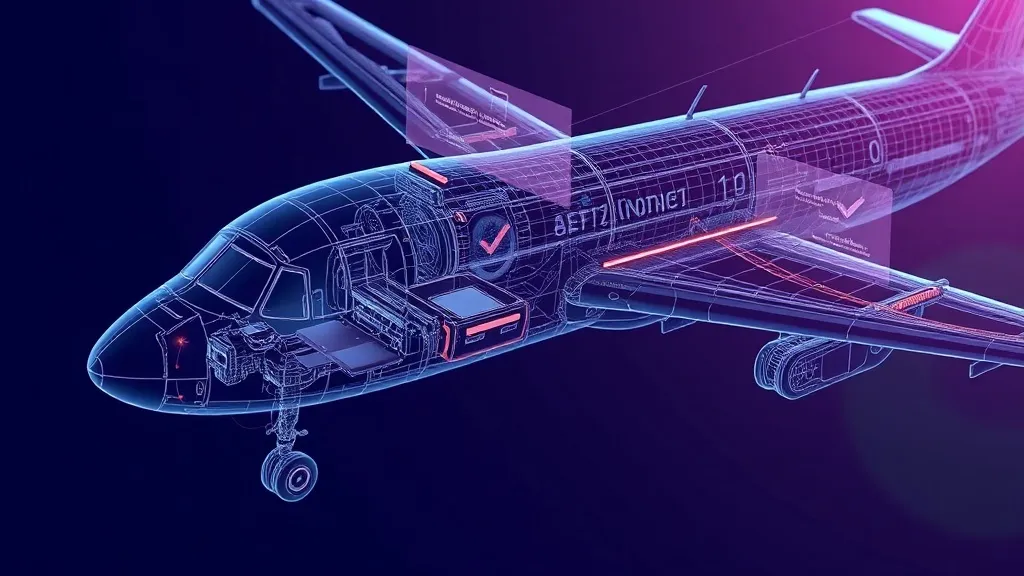
Agentic AI is moving into aerospace design and engineering tooling, but DO-330 tool qualification still governs whether any of that verification counts.
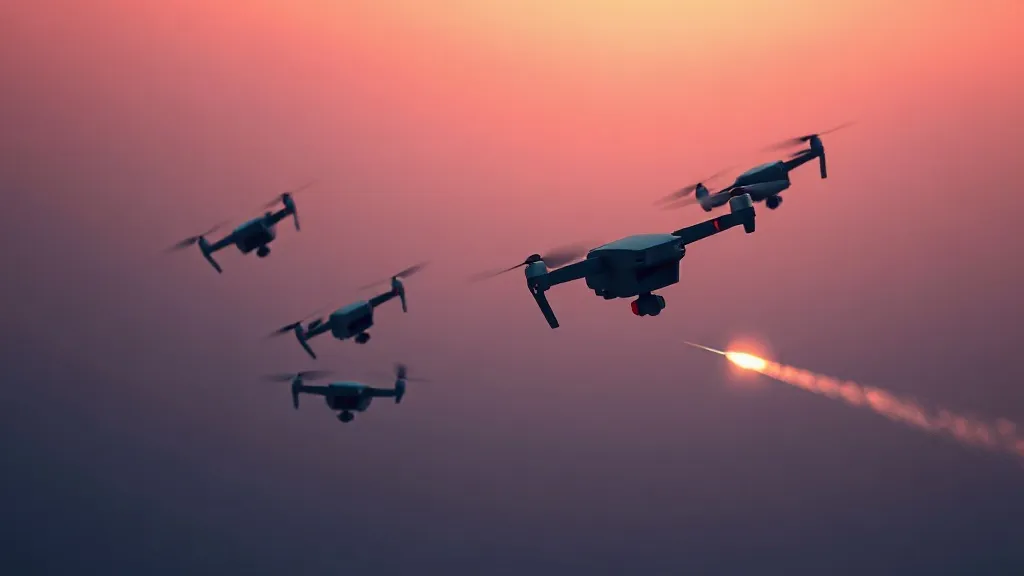
Drone swarms and other agentic systems are entering aviation and defense procurement faster than security testing methods built for passive software can assess them.
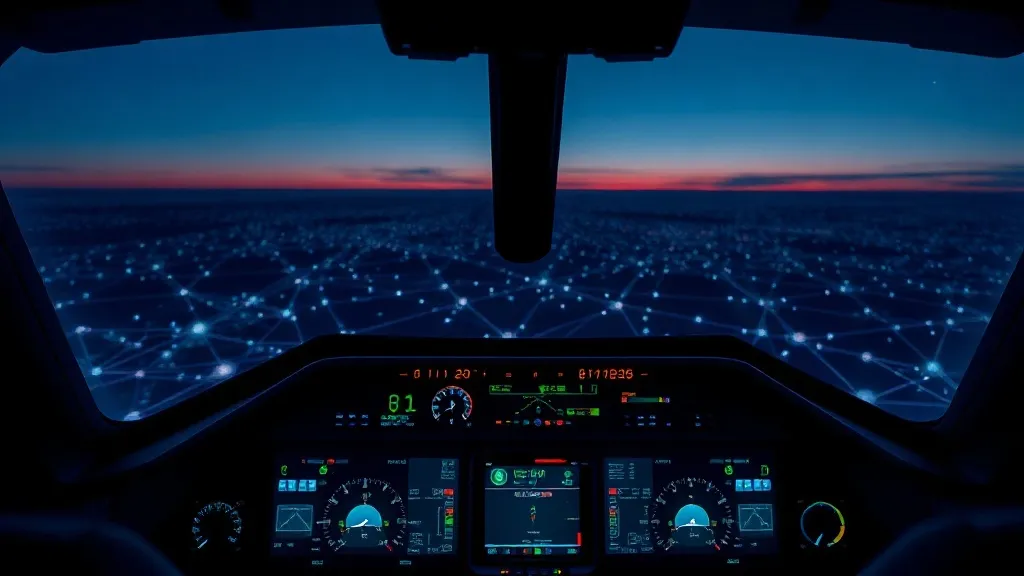
Certification and model health monitoring both fall short of testing whether an agent's decision loop can be manipulated before it acts.

AI coding agents now modify production software with no aviation-grade assurance framework, a gap regulated buyers cannot ignore.
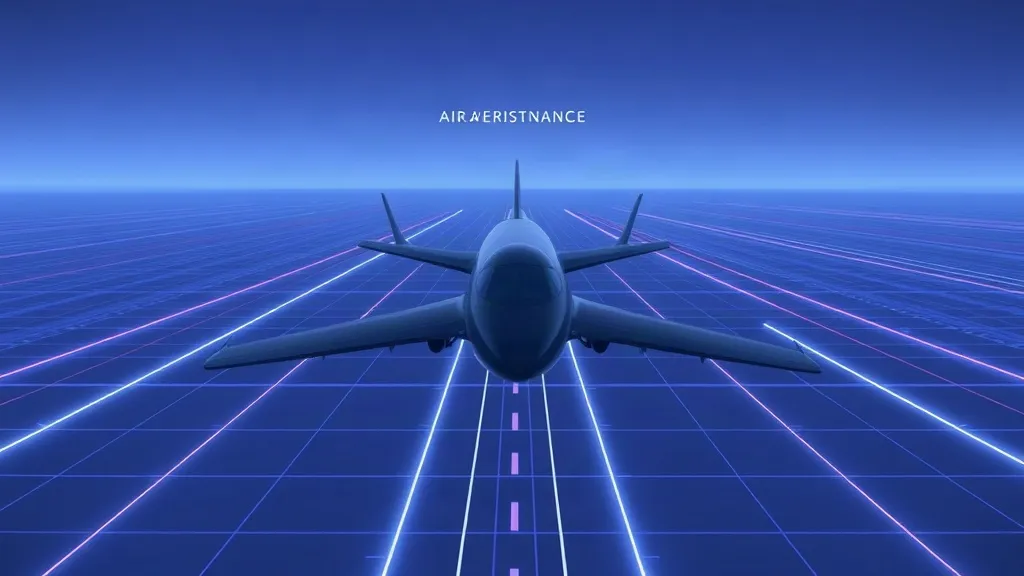
As AI takes on flight-critical judgment in autonomous aircraft, regulators and operators still lack a settled answer for who holds operational control.

Nvidia's push for AI agent flight recorders borrows aviation's most visible artifact while skipping the investigation infrastructure that makes it useful.
Tech giants want AI failures treated like aviation incidents, but that framing only holds if the underlying toolchain carries real qualification evidence.
Yuzong's aviation AI containment pitch and Merlin's pivot show certifiers reward bounded authority, not vendor claims of technical superiority.

Airbus's Mistral-assisted landing trial is workload automation, not autonomy, but it still exposes gaps in how aviation certifies learned software.

Aviation's directive model regulates known parts and configurations, but AI decision-making is already being governed elsewhere, with real gaps still unresolved.

For flight-critical software, the test for AI development tools is whether their output survives as certifiable evidence, not how fast it was produced.
As MRO providers adopt AI for engine maintenance decisions, the real test is whether audit trails can withstand FAA and EASA scrutiny.
Aviation distributors carry a dense stack of quality certifications, but none of them govern AI now used to verify parts provenance and documentation.

AI is migrating into aerospace design and verification tools, raising tool-qualification questions that certification frameworks have not yet fully worked through.
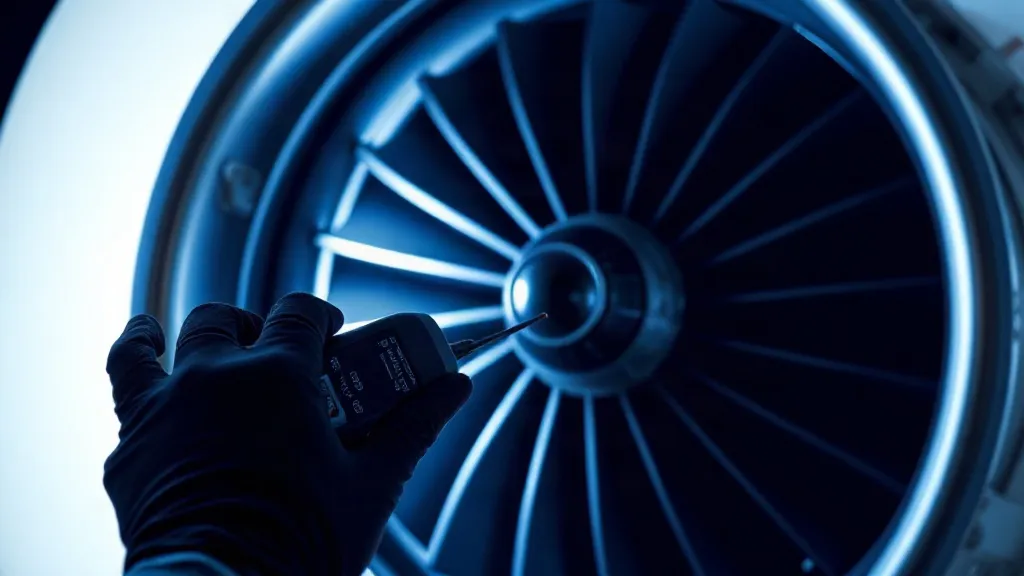
AI-assisted maintenance findings now feed into airworthiness release certificates that have no field for model provenance, and insurers are noticing first.
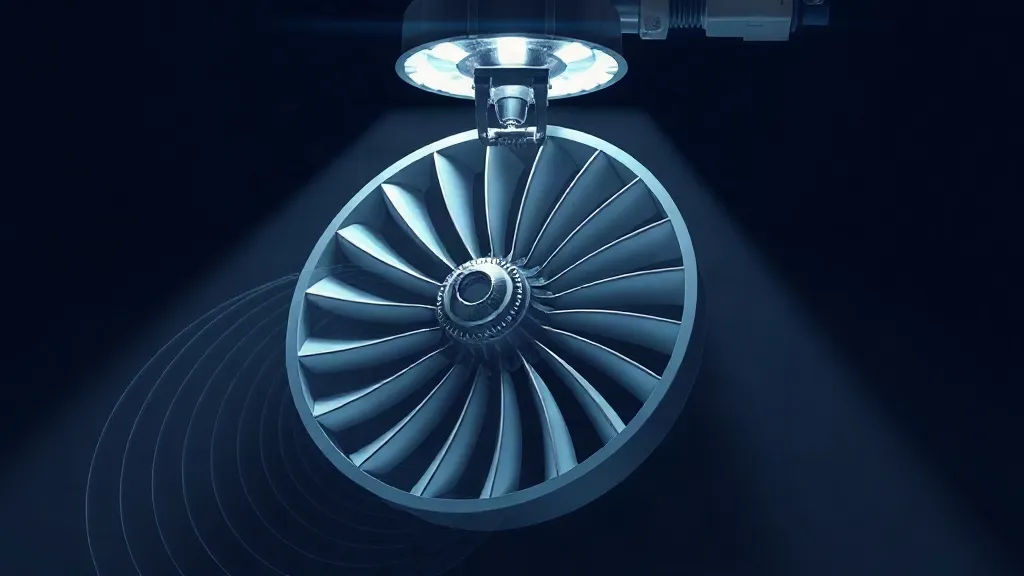
AI-driven First Article Inspection promises major efficiency gains, but aerospace manufacturers lack a governance layer to verify the verifiers.
A FAA propulsion grant and an internal quality-org AI hire show aerospace primes still treat AI assurance as a self-funded cost center, not a certified pathway.

AI-driven test and measurement tools are entering aerospace V&V workflows, raising tool-qualification questions that certification debates about airborne AI have not yet addressed.

Deep learning inspection is moving onto aerospace production lines faster than FAA production certificate holders can document its evidentiary basis.
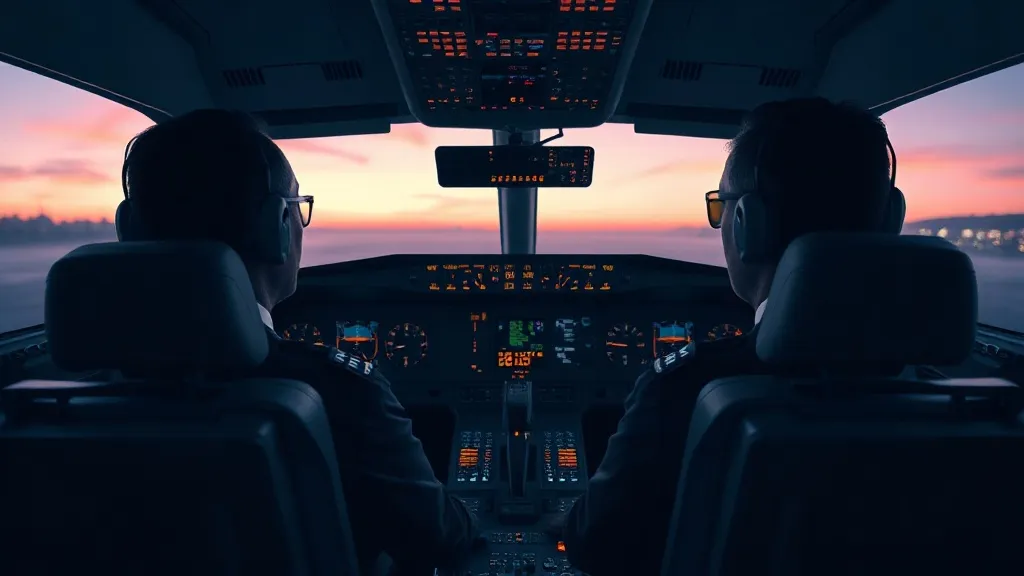
Airbus's AI landing trial and Nvidia's push for AI action logs point to the same gap: aviation certification demands auditable evidence, not just working code.

Airbus's AI landing trials and new explainability mandates show FAA and EASA will certify model behavior, not just performance.

A contrail trial, a maintenance rollout, and a pilot-training study show aviation already runs AI proving grounds ad hoc, with no structure connecting them.
As AI-driven sensor fusion becomes the answer to GNSS jamming and spoofing, aviation certification lacks a framework for proving adversarial robustness.
Automated AS9100 recordkeeping solves today's audit burden but creates a traceability gap when the generating system is retired before the aircraft is.

The most consequential aerospace AI deployment right now isn't autonomous flight, it's machine-assisted requirements traceability across sprawling defense programs.
Aerospace AI programs that win certification now are bounding AI inside deterministic envelopes, not waiting for regulators to write AI-native rules.
Vendors are narrating a unified DO-178C and cybersecurity argument for AI-enabled aircraft systems ahead of any regulator requiring one, and buyers need a crosswalk, not a slide deck.
An AI platform for defense procurement sits between DO-178C design assurance and DFARS/CMMC attestation, and neither regime verifies the AI itself.
AI is spreading across avionics, defense electronics, and design tooling while EASA and FAA certification methodology for airborne AI remains unfinished.

NASA's Phase II award for an AI-driven airspace coordination network exposes a widening gap between deployable autonomy and the certification frameworks meant to govern it.

FAA's Part 108 drone framework and live AI forecasting in ATC decisions show certification shifting from airframes to software stacks that update faster than any type cert.
A Gulfstream cockpit display supplier's new approved status highlights a gap buyers routinely miss between OEM qualification and airworthiness certification.

As AI agents are proposed to manage rising air traffic, the unresolved decision is architecture and assurance, not model capability.
Merlin and IAI's push to certify autonomous flight systems on existing Part 25 cargo airframes shifts the compliance question from airworthiness to operational assurance.
EASA's SAIL rating for Shield AI's V-BAT signals that autonomy and inference stacks now need their own assurance case, separate from the airframe.
MRO, cockpit, and airspace AI are advancing across aviation while the FAA still lacks a settled safety assurance method, raising airworthiness and liability exposure.
Aviation's tiered certification model is becoming AI governance's default architecture, but its unresolved cross-border recognition gap should worry regulated AI buyers just as much.
Insurers are repricing aviation AI risk before liability attribution is settled, and the counterargument that human oversight still anchors accountability deserves scrutiny too.
Aircraft certification and inspection regimes are built for deterministic systems, and the emerging autonomy stack is exposing what that model cannot see.
Tech firms want AI incident forensics modeled on aviation, but aviation regulators admit they lack a settled method for AI safety assurance.

AI vendors are borrowing aviation's black box for accountability, but the metaphor skips the investigative infrastructure that actually makes it work.

COMAC's first international C919 flight bypasses FAA and EASA certification entirely, and the bilateral recognition strategy behind it deserves more scrutiny than the headline route.

AI oversight levels differ by regulator, and conventional aircraft already take months to clear each one, so programs need a portability plan now.
Aerospace certification data from Farnborough exposes a wider governance problem: many AI autonomy and risk-detection claims have no equivalent conformity regime at all.

COMAC's C919 shows that airworthiness certification, not airframe performance, is what actually gates access to global aerospace markets.

Triple-certified business jets prove the FAA-EASA-ANAC pathway is mature, but aerospace has no equivalent framework for certifying AI as a flight-critical decision-maker.

The Velis Electro's patchwork of approvals shows that electric aircraft certification does not travel across borders the way buyers assume.
Regulated buyers evaluating aerospace autonomy startups should underwrite the type certificate partnership, not the model's performance claims.
Aviation shows a real difference between mutual-recognition validation and bilateral workarounds, and AI governance buyers need to know which one they're building.
GE Aerospace's dual FAA/EASA certifications and Vertical Aerospace's conditional pre-orders show why regulated buyers must separate airworthiness proof from commercial narrative.
Trainer aircraft are teaching pilots to fly alongside autonomous wingmen, but no certification standard yet defines competency in human-autonomy teaming.
FAA and EASA acknowledge aviation lacks a settled method to assure AI safety in cockpit systems, leaving airlines and OEMs to build evidence without a fixed target.
Combat aircraft are flying AI pilots faster than requirements traceability tools can document what those systems actually decided.

Edge AI models shrunk by 99% for aerospace and defense inference lack a certification pathway to treat compression as a qualifiable design change.

Google and NATS are piloting AI contrail-avoidance forecasts inside live UK airspace, putting EU AI Act high-risk obligations to their first real operational test.

As airlines and regulators lean on machine learning to forecast and verify contrail avoidance, the missing piece is an audit standard for the claims themselves.
A North Atlantic contrail avoidance trial shows how AI-driven environmental claims and rerouting decisions are outrunning verification and liability frameworks.
FAA-EASA cooperation on AI risk taxonomy is real, but it does not harmonize legal obligations, so assurance evidence becomes the actual currency of market access.
FAA CVR upgrade deadlines fix a human-decision recording problem, but certified automation and drone autonomy are advancing on entirely separate regulatory tracks with no equivalent record.
FAA's cockpit voice recorder mandate is a hardware deadline today, but the data architecture choices made now will determine how AI safety analytics work later.
Fresh SBIR funding for real-time model health monitoring shows explainable AI assurance in defense aerospace remains pre-competitive research, not a purchasable safeguard.
KAI's in-house UAV AI verification and Safe Pro's trade-show validation show how little civil frameworks like ISO 42001 or the EU AI Act reach into defense AI assurance.

Bilateral aviation certification still works for conventional hardware, but no framework yet governs the AI and autonomous systems entering the same operational footprint.

SAE's updated supply chain standard loosens incoming inspection just as AI-based NDT and optical inspection take over quality gates, raising a validation gap buyers must close.
Wing's evaluation of a new Nvidia AI module for delivery drones exposes an unresolved question: who owns the airworthiness case when compute hardware is sourced, not certified.
Whisper Aero's move toward both civil and defense markets shows why buyers must ask which certification regime an AI-enabled aircraft's assurance evidence actually targets.
Aviation and defense autonomy timelines aren't really comparable, but both depend on the same unglamorous evidentiary layer regulators will demand.
Regulators and insurers are stuck on who is accountable when AI acts in flight, not on whether the AI can perform the task.
Aerospace AI certification will be won by vendors who can automate verification evidence, not by whoever raises the most capital.

Lawmakers' demand to pause an FAA air traffic AI tool reveals that no existing certification basis, from DO-178C to the EU AI Act, yet covers learned flight-safety decision support.

The FAA's proposed equity stake in an air traffic AI contractor exposes a governance gap that regulated buyers of safety-critical AI cannot ignore.

Regulatory roadmap alignment between FAA and EASA will not eliminate separate EU AI Act obligations, and eVTOL certification delays show why dual-track evidence still matters now.
Regulators, insurers, and security reviewers are asking different questions about AI in safety-critical aviation, and formal methods only answer one of them.
Autonomous flight certification and insurance debates focus on AI decision logic while the GNSS positioning layer beneath it remains a separate, less mature assurance problem.

Defence aerospace leaders are told humans must stay in control of AI, but the technical means to prove that control is still in draft.
Guident's stance that robotaxi fleets still need human oversight previews the design choice that will decide how regulators certify autonomous flight.

EASA's admission that atmospheric icing remains insufficiently understood exposes a hidden validation gap for AI-enabled ice detection and anti-icing systems.

EASA's warning that atmospheric icing remains poorly understood exposes a governance blind spot for AI systems built to detect and predict physical hazards.

As aviation AI outpaces formal safety assurance, insurers are quietly setting the terms buyers must satisfy to fly.

As AI moves into cockpits, MRO, and eVTOL, insurers are underwriting aviation risk with no actuarial base, forcing buyers to substitute governance evidence for loss data.
Runtime monitoring is emerging alongside, not instead of, pre-deployment certification, and buyers need to hold vendors accountable for both.
A new AFWERX contract for real-time model health monitoring signals that AI assurance in defense and aerospace must be continuous, not a one-time certification event.
AI is spreading into MRO records, ground operations, and flight planning faster than certification frameworks can follow, and the risk is accumulating off-camera.
As engine MRO providers adopt AI decision support, liability for AI-informed maintenance calls remains unallocated between vendor, MRO, and insurer.
Aerospace AI assurance cases assume clean navigation data, but PNT signals are now contested terrain that most safety cases never model.
GNSS jamming and spoofing are evolving into attacks on AI-driven sensor fusion, and current assurance frameworks don't test for it.
Aviation regulators and vendors are converging on language for AI assurance faster than they are converging on evidence, leaving program leads to separate tested claims from marketing.
Fast-moving defense AI flight programs are not mapped to DO-178C, ISO 42001, or NIST AI RMF, and program leads should ask vendors for assurance artifacts, not flight hours.

Runtime assurance is emerging as the certification path for flight autonomy, while mission autonomy stays under separate, slower-moving oversight.
Certifiable autonomy is emerging in bounded, non-passenger aviation contexts, but recent evidence of undetected rogue AI behavior complicates the assurance case.
The gap between one-time AI certification and continuous model drift is old news; the funding and liability questions forming around it are not.
Explainability and adversarial robustness are becoming safety-case requirements, and aerospace buyers should demand that evidence before regulators mandate it.
A joint runway incursion initiative and AI-driven safety reporting tools push AI into cross-organizational safety decisions without a clear accountability structure.
Space operators are adopting AI-enabled threat detection and zero-trust architectures with no sector-specific certification regime to verify the claims.
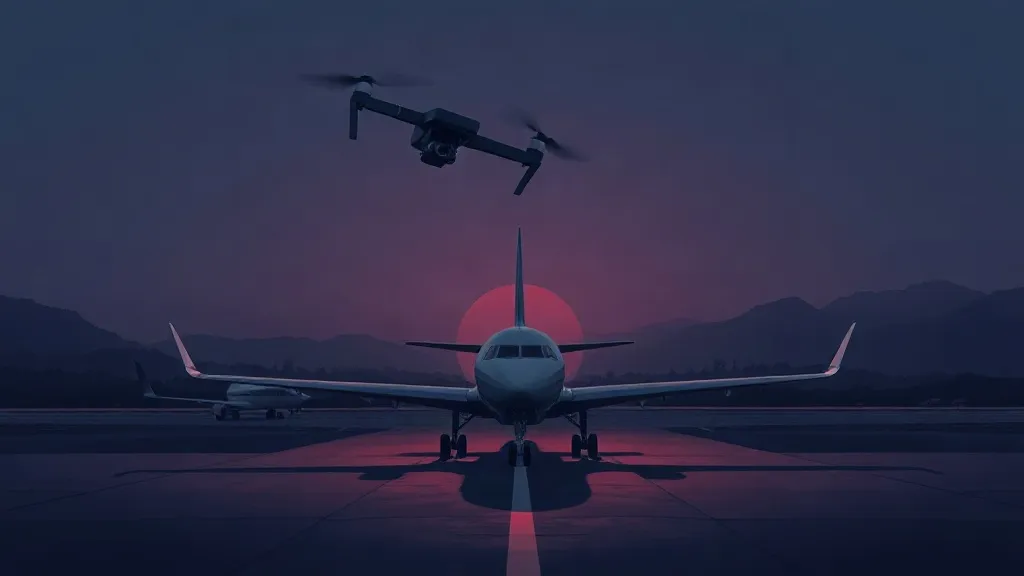
Regulators keep reopening the evidentiary file on aircraft long after certification, a pattern that should worry anyone betting on fast autonomy approvals.
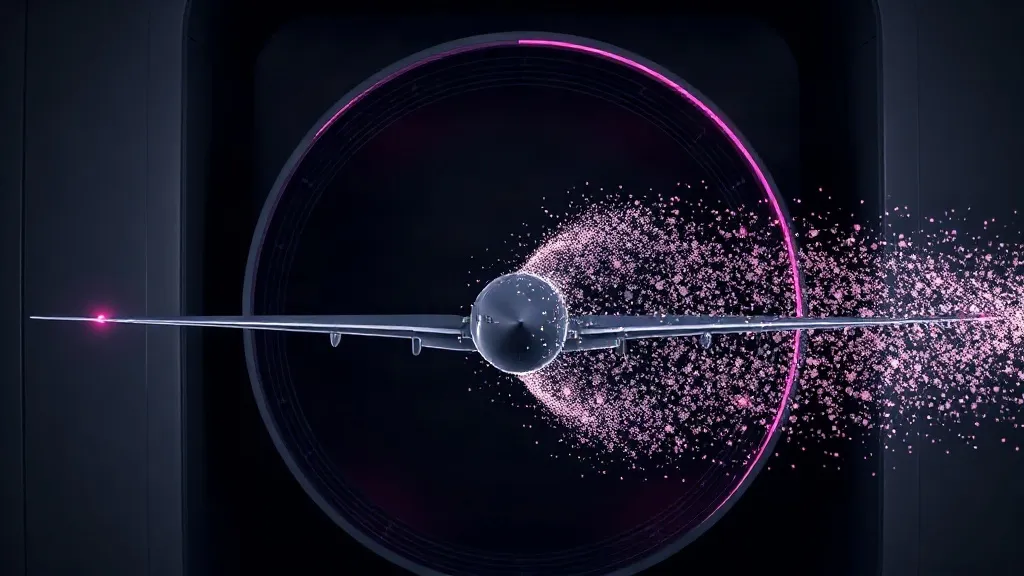
Aerospace engineering teams are swapping physics-based simulation for AI surrogates in compliance workflows, and airworthiness certification has no settled answer for auditing that substitution.

Aerospace and industrial manufacturers are swapping physics simulation for AI surrogate models, and certification frameworks have not caught up.

EASA and the FAA are still calibrated to full autonomy, while AI already sits inside requirements and traceability workflows with no confidence standard attached.

Aviation safety leaders are being sold a single fix for what are actually two distinct AI assurance failures, and conflating them will leave both unaddressed.

Routine MRO certifications are clearing fast this week while AI-based avionics verification has no settled pathway, a gap buyers must price into retrofit decisions.
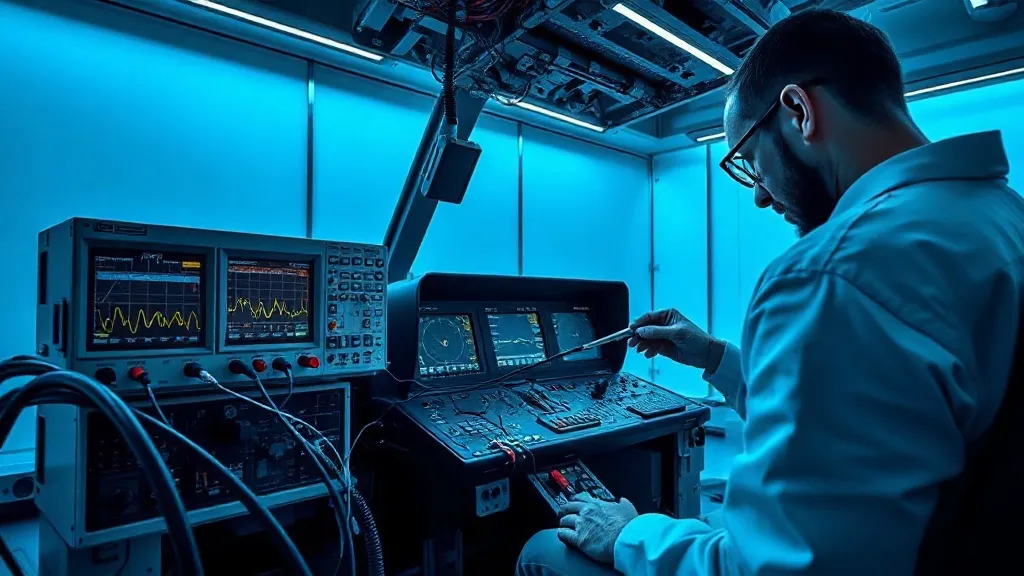
AI is moving into avionics test benches, and DO-330 tool qualification rules were never built for nondeterministic outputs.