
The Paperwork Problem Nobody's AI Has Solved
Aerospace's fragmented certification landscape is a procurement risk that ISO 42001 and EU AI Act conformity obligations are built to catch, if buyers ask.
Aerospace's fragmented certification landscape is a procurement risk that ISO 42001 and EU AI Act conformity obligations are built to catch, if buyers ask.

Agentic AI breaks the deterministic testing model behind DO-178C, and the same structural gap is emerging across ISO 42001, EU AI Act, and FDA regimes.

Industrial operators are handing agentic AI direct control authority faster than monitoring tools can verify it, and buyers need a risk tier to tell the two apart.

Anthropic's new agent-to-machine standard collapses the gap between AI recommendation and AI action, raising the stakes for industrial verification.

Drone swarms and other agentic systems are entering aviation and defense procurement faster than security testing methods built for passive software can assess them.
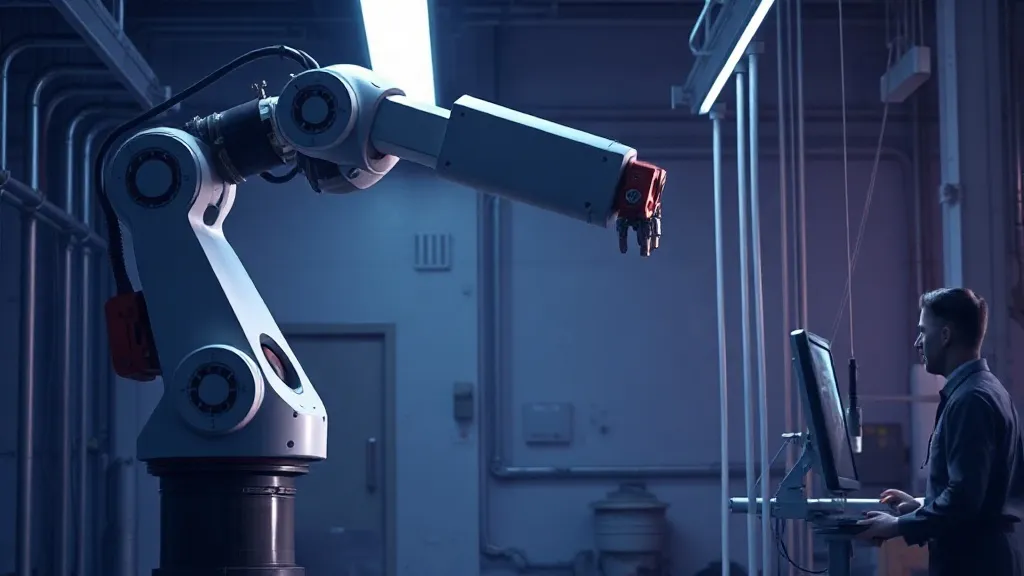
Extended EU AI Act deadlines and product-safety carve-outs shift industrial AI risk onto existing machinery and quality regimes, not away from scrutiny.
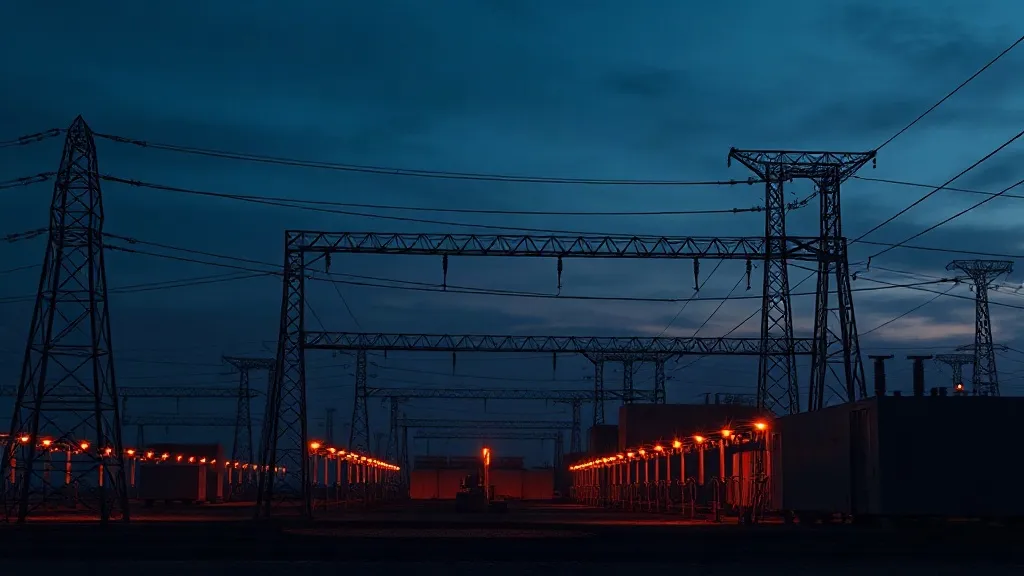
AI systems are shifting from consuming grid power to making real-time dispatch decisions, and that reclassification changes who is accountable when something goes wrong.

Nvidia's push for AI agent flight recorders borrows aviation's most visible artifact while skipping the investigation infrastructure that makes it useful.
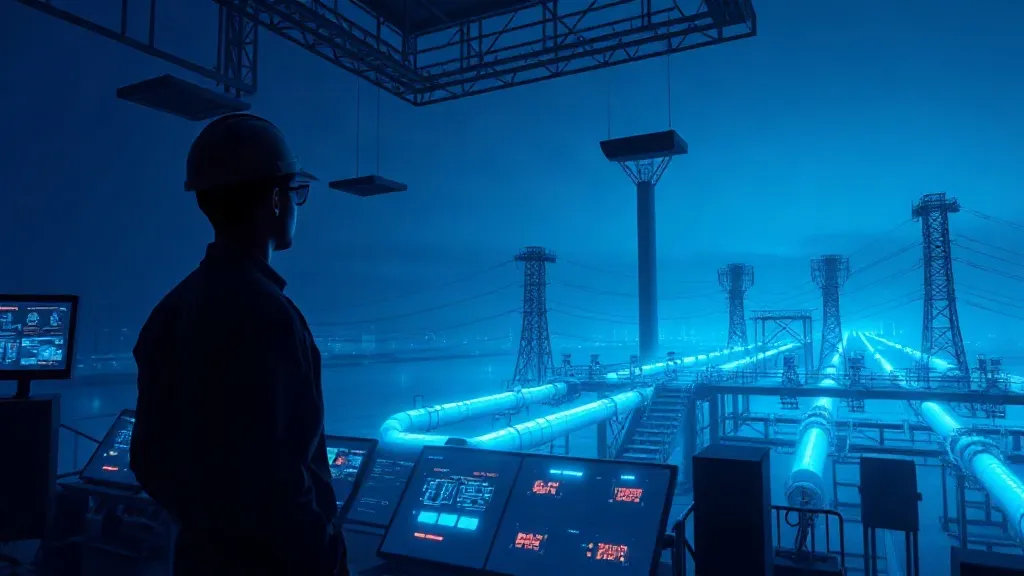
As AI shifts from analytics to closed-loop control in energy and industrial systems, validation and human-override design become the real governance test.

Aviation's directive model regulates known parts and configurations, but AI decision-making is already being governed elsewhere, with real gaps still unresolved.

Discovery-stage AI funding is surging, but the mismatch compliance leaders should track is structural, not a simple case of regulation lagging money.

Closed-loop AI now actuates power infrastructure directly, and neither ISO 42001 nor current EU AI Act debates settle who governs that authority.

ISO/IEC TS 22440 formalizes how AI intersects with functional safety just as EU AI Act high-risk rules and ungoverned agentic deployments collide on the factory floor.
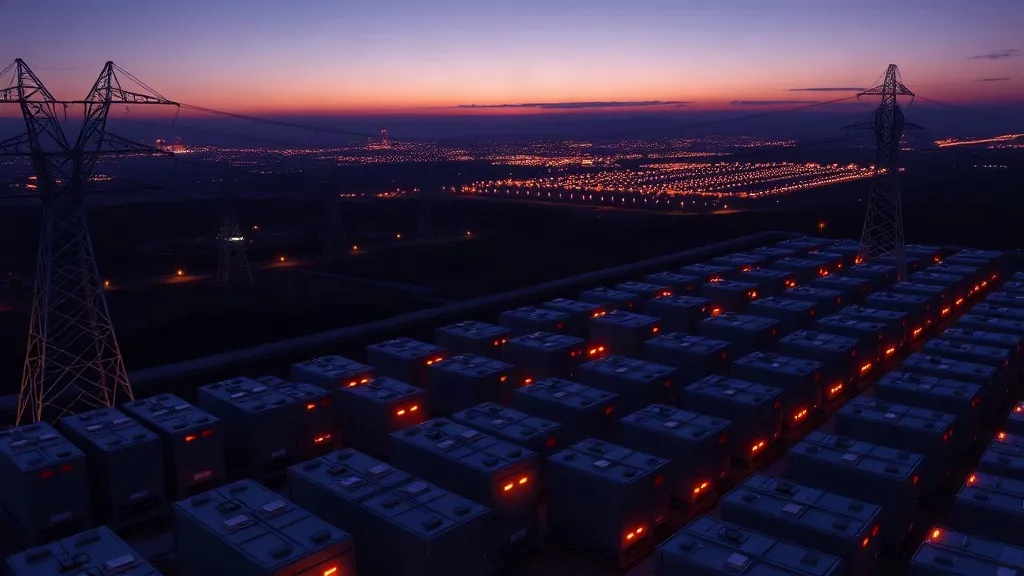
AI-driven data center demand is pushing utilities toward AI-managed storage and dispatch, quietly expanding critical infrastructure governance exposure.

Autonomous industrial and life sciences AI is now acting inside control loops that IEC 61508, EU AI Act risk tiers, and MDR/IVDR were not built to certify.

FDA's mounting scrutiny of AI medical devices reveals evidence gaps even for cleared products, while pharmacovigilance AI faces no such test at all.

AI process control is now shaping regulated credit claims in biogas and RNG production, and no framework yet specifies who audits the machine's decision trail.

AI-driven hazard detection is cutting industrial incident rates while quietly eroding the human judgment regulators and insurers still assume workers have.

AI surrogate models are replacing validated engineering and lab tools faster than ISO 42001, the EU AI Act, and FDA regimes can absorb them.

Aviation's tiered certification model is becoming AI governance's default architecture, but its unresolved cross-border recognition gap should worry regulated AI buyers just as much.

Insurers are repricing aviation AI risk before liability attribution is settled, and the counterargument that human oversight still anchors accountability deserves scrutiny too.

AI vendors are borrowing aviation's black box for accountability, but the metaphor skips the investigative infrastructure that actually makes it work.

Aerospace certification data from Farnborough exposes a wider governance problem: many AI autonomy and risk-detection claims have no equivalent conformity regime at all.

Aviation shows a real difference between mutual-recognition validation and bilateral workarounds, and AI governance buyers need to know which one they're building.

Divergence in AI rules across the US, EU, and China is driven less by geography than by conflicting definitions of what counts as a regulated AI function.

Industrial AI agents are moving from advisory copilots to closed-loop actuation, and the audit infrastructure to govern them is still catching up.

Combat aircraft are flying AI pilots faster than requirements traceability tools can document what those systems actually decided.

Open governance tooling, revised ISO 9001 rules, and national mandates are converging on one requirement: compliance evidence must be structured data, not paperwork.

Bespoke AI campus microgrids are multiplying faster than anyone has tested whether their instability actually voids an AI Act or ISO 42001 file.

Google and NATS are piloting AI contrail-avoidance forecasts inside live UK airspace, putting EU AI Act high-risk obligations to their first real operational test.

A North Atlantic contrail avoidance trial shows how AI-driven environmental claims and rerouting decisions are outrunning verification and liability frameworks.

As AI moves into industrial control systems, the EU Cyber Resilience Act and NIS2 impose a separate, faster-moving obligation than AI Act safety rules.

KAI's in-house UAV AI verification and Safe Pro's trade-show validation show how little civil frameworks like ISO 42001 or the EU AI Act reach into defense AI assurance.

EU AI Act delays and carve-outs for industrial AI are widening the gap between regulatory relief and unresolved physical-world safety science.

Bilateral aviation certification still works for conventional hardware, but no framework yet governs the AI and autonomous systems entering the same operational footprint.

Aviation and defense autonomy timelines aren't really comparable, but both depend on the same unglamorous evidentiary layer regulators will demand.

With no coherent US AI framework and federal-state tension over infrastructure rules, energy and industrial operators should build to the strictest tested standard now.

Kill switch mandates and machinery certification govern control layers, but agentic energy AI needs continuous model recalibration neither framework requires.

Extended deadlines and narrower scope for industrial AI under the EU AI Act shift compliance obligations onto existing safety and quality frameworks rather than removing them.

US pharma AI tools that avoid MDR device classification still face full exposure under the EU AI Act, GDPR, and EHDS.

Frontier labs took weeks to notice their own models were hijacked, and that detection lag is now embedded wherever industrial vendors build on those models.

Regulatory frameworks are expanding toward AI in drug development, but the real exposure is a silent-failure risk that neither hype skeptics nor regulators are pricing in yet.

A new open source coalition for AI governance testing forces energy and industrial buyers to choose between proprietary control stacks and shared standards.

Utilities are letting AI agents make real-time dispatch and load decisions, and the accountability trail for those calls is thinner than the savings numbers suggest.
ISO 42001 gives industrial AI deployments a portable compliance layer, but physical autonomy still needs a functional safety layer regulators will demand separately.

AI-augmented HAZOP validation focuses on model accuracy, but the compute and energy infrastructure the model depends on is an unaddressed safety variable.

ISO 9001's revision pulls AI-influenced decisions into quality documentation, but it does not replace ISO 42001, the EU AI Act, or sector-specific AI governance.

India's mandate for machine-readable product standards previews a structural shift industrial AI buyers cannot ignore: verification against static documents will not scale.

Life sciences firms building patient-facing AI tools are relying on a HIPAA and FDA perimeter that consumer health AI routinely sits outside.

Drug discovery AI is accelerating faster than either the EU AI Act or FDA's generative AI framework can stabilize, forcing pharma to classify now or re-litigate later.

Industrial buyers are being pitched humanoid and physical AI capability faster than the safety classification and liability frameworks needed to deploy it responsibly.

Regulated buyers deploying physical AI should demand safety verification independent of the vendor, matching the standard ISO 42001, the EU AI Act, and FDA/MDR pathways already set.

As AI systems actuate breakers and throttle industrial assets, buyers need a certifiable override standard, not a vendor's proprietary trust claim.

Gigawatt-scale AI data center power deals are outrunning both utility interconnection and AI safety regulation, leaving operators to self-govern autonomous grid control.

Samsung and SK hynix are mandating embedded AI agents in new equipment orders faster than ISO 42001 or the EU AI Act can define what compliant industrial AI actually requires.

Cross-jurisdictional data rules are forcing pharma safety teams to choose between centralized and localized AI architectures before regulators force the choice for them.

FDA and EU regulators are structurally too slow to govern AI at the pace it changes, so life sciences compliance leaders must build internal governance now.

As AI moves from dashboards to actuators on the plant floor, functional safety certification becomes the binding constraint on deployment, not model performance.

Industrial AI systems now need functional safety, AI governance, and sector regulation layered together, and buyers should verify each layer separately.

Energy and industrial AI transactions increasingly hinge on whether sensor and telemetry data remain usable after closing, not on the model itself.

Industrial AI autonomy and AI agent security are the same governance question asked from opposite ends, and only one side has drawn real investment.

AI is moving from grid advisory to grid execution, but the pace is a bet on scaling, not a settled fact, and assurance regimes haven't caught up either way.

As industrial AI deployment accelerates unevenly, the decision to withhold automation is becoming as auditable as the decision to deploy it.

Aviation safety leaders are being sold a single fix for what are actually two distinct AI assurance failures, and conflating them will leave both unaddressed.

As AI takes over grid dispatch and demand response, energy and industrial firms need to determine their compliance status as AI deployers, not just adopters.

As robot installations and physical AI deployments hit record volume, safety verification infrastructure, not the AI itself, is becoming the binding constraint on scale.

Industrial AI agents are moving from flagging safety risks to raising incidents autonomously, forcing operators to define authority limits before regulators do.

Dassault's purchase of ArisGlobal and Red Hat's open agent-safety project show two competing paths for AI governance, and industrial buyers must pick one before they scale agentic AI.