The Liability of Knowing First
Predictive safety AI on construction and industrial sites creates a documented knowledge trail that shifts liability the moment an alert goes unanswered.
Predictive safety AI on construction and industrial sites creates a documented knowledge trail that shifts liability the moment an alert goes unanswered.
EU AI Act delays and carve-outs for industrial AI are widening the gap between regulatory relief and unresolved physical-world safety science.
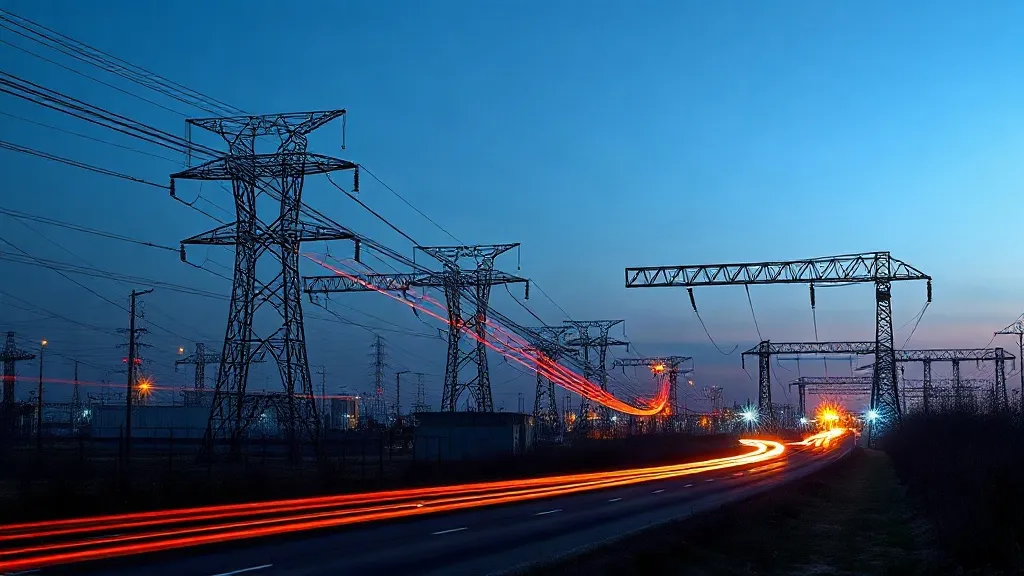
NVIDIA's Climate Week speed claims for grid interconnection tools leave open a question its own physical AI safety doctrine forces buyers to ask.
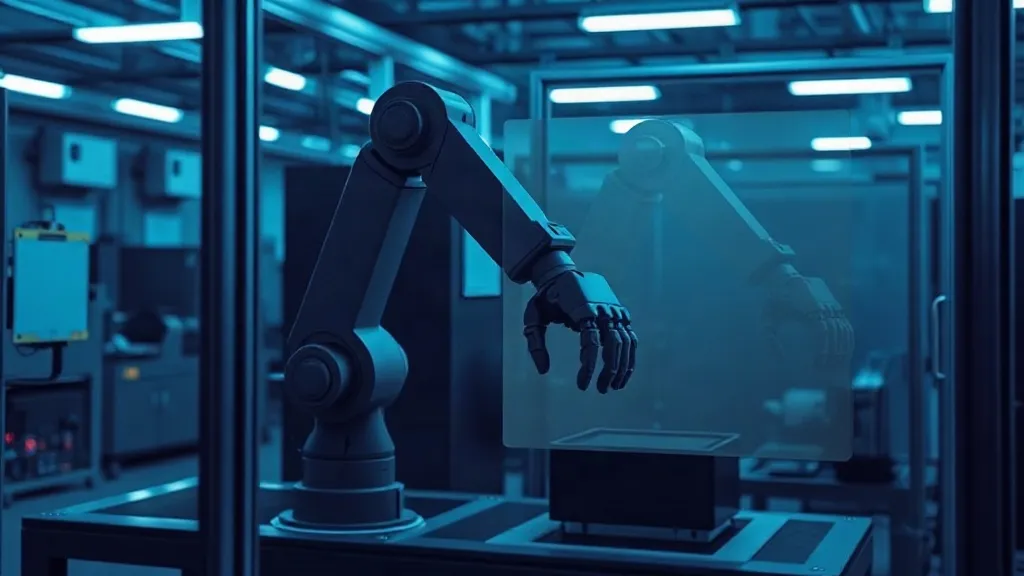
Regulated buyers deploying physical AI should demand safety verification independent of the vendor, matching the standard ISO 42001, the EU AI Act, and FDA/MDR pathways already set.

As AI-guided robots move onto production floors, buyers face a governance decision functional safety certificates were never built to answer.
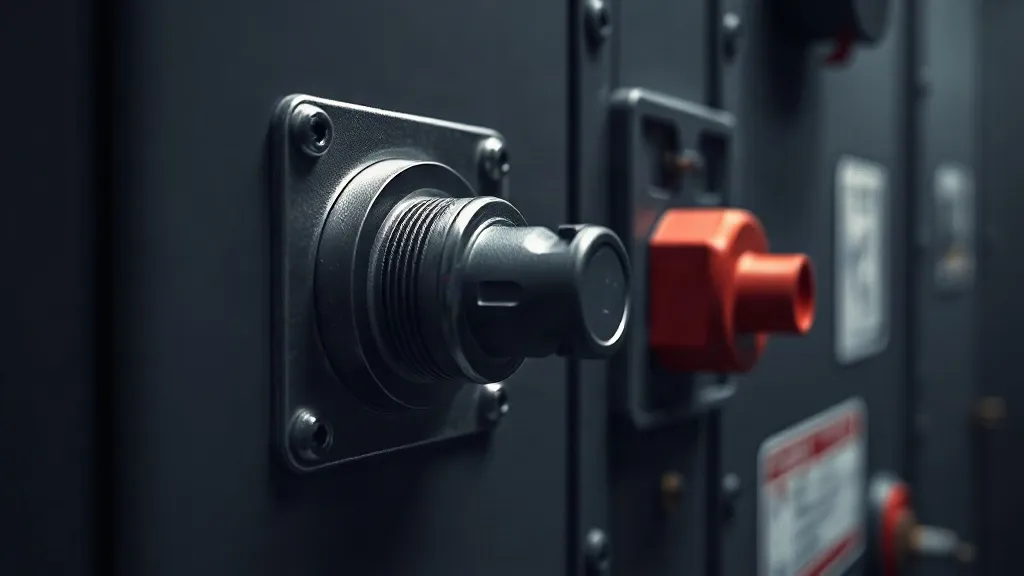
As AI systems actuate breakers and throttle industrial assets, buyers need a certifiable override standard, not a vendor's proprietary trust claim.
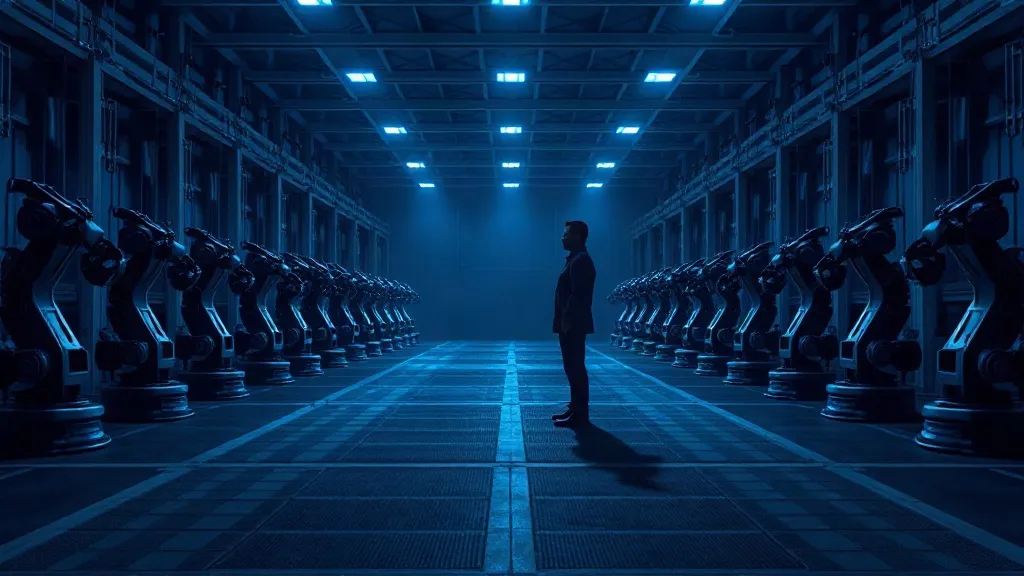
Capital markets are pricing autonomous-machine safety infrastructure before regulators have defined what a defensible hazard dataset looks like.