Where Aerospace AI Actually Lands
Aerospace AI investment is splitting cleanly between maintenance systems that clear existing certification today and flight-critical autonomy that cannot.
Aerospace AI investment is splitting cleanly between maintenance systems that clear existing certification today and flight-critical autonomy that cannot.
Aerospace is racing to apply AI to software and autonomy, but verification and explainability capacity, not model quality, is what will set the pace.
As AI takes on flight-critical judgment in autonomous aircraft, regulators and operators still lack a settled answer for who holds operational control.
Tech giants want AI failures treated like aviation incidents, but that framing only holds if the underlying toolchain carries real qualification evidence.

AI is migrating into aerospace design and verification tools, raising tool-qualification questions that certification frameworks have not yet fully worked through.

FAA's Part 108 drone framework and live AI forecasting in ATC decisions show certification shifting from airframes to software stacks that update faster than any type cert.
A Gulfstream cockpit display supplier's new approved status highlights a gap buyers routinely miss between OEM qualification and airworthiness certification.
EASA's SAIL rating for Shield AI's V-BAT signals that autonomy and inference stacks now need their own assurance case, separate from the airframe.

AI oversight levels differ by regulator, and conventional aircraft already take months to clear each one, so programs need a portability plan now.

The Velis Electro's patchwork of approvals shows that electric aircraft certification does not travel across borders the way buyers assume.
GE Aerospace's dual FAA/EASA certifications and Vertical Aerospace's conditional pre-orders show why regulated buyers must separate airworthiness proof from commercial narrative.

Edge AI models shrunk by 99% for aerospace and defense inference lack a certification pathway to treat compression as a qualifiable design change.
FAA CVR upgrade deadlines fix a human-decision recording problem, but certified automation and drone autonomy are advancing on entirely separate regulatory tracks with no equivalent record.
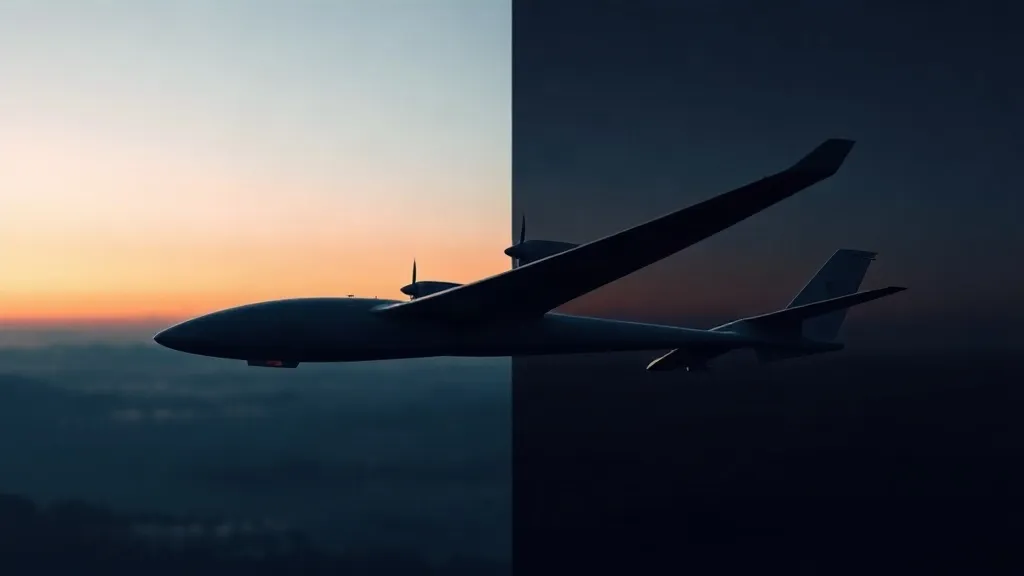
Whisper Aero's move toward both civil and defense markets shows why buyers must ask which certification regime an AI-enabled aircraft's assurance evidence actually targets.
Regulators and insurers are stuck on who is accountable when AI acts in flight, not on whether the AI can perform the task.
Aerospace AI certification will be won by vendors who can automate verification evidence, not by whoever raises the most capital.

The FAA's proposed equity stake in an air traffic AI contractor exposes a governance gap that regulated buyers of safety-critical AI cannot ignore.
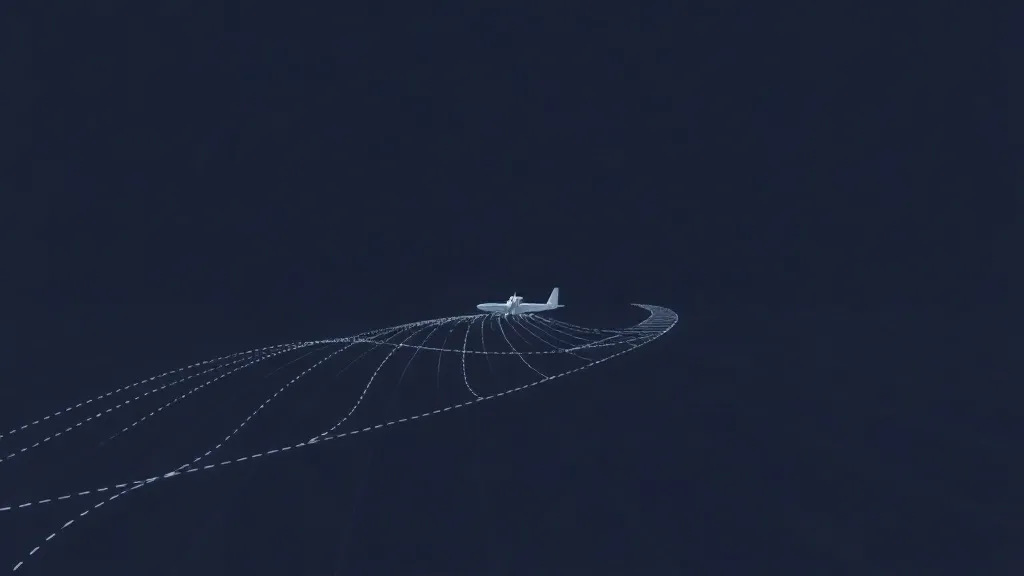
Autonomous flight certification and insurance debates focus on AI decision logic while the GNSS positioning layer beneath it remains a separate, less mature assurance problem.
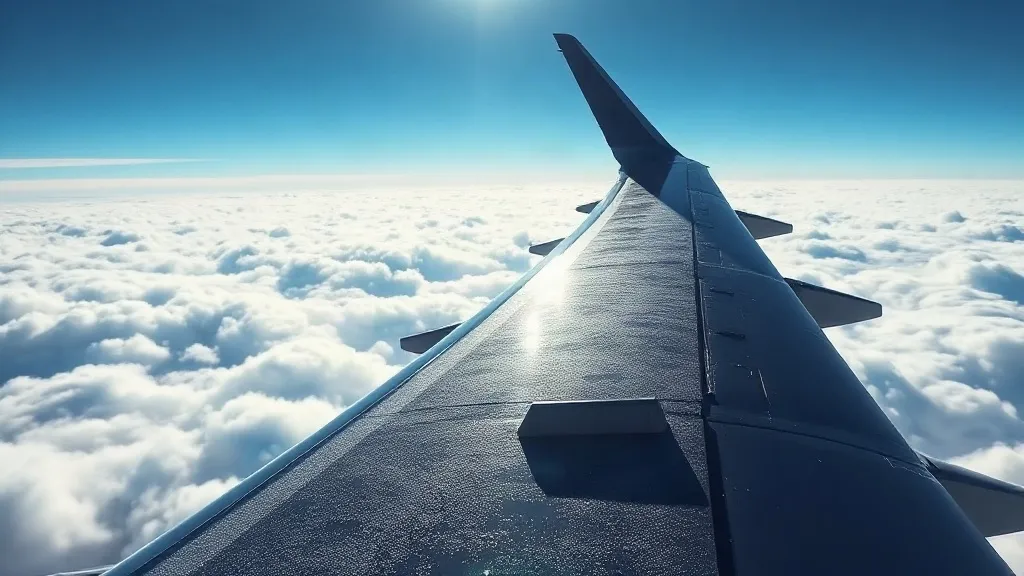
EASA's warning that atmospheric icing remains poorly understood exposes a governance blind spot for AI systems built to detect and predict physical hazards.
Aviation regulators and vendors are converging on language for AI assurance faster than they are converging on evidence, leaving program leads to separate tested claims from marketing.

Runtime assurance is emerging as the certification path for flight autonomy, while mission autonomy stays under separate, slower-moving oversight.
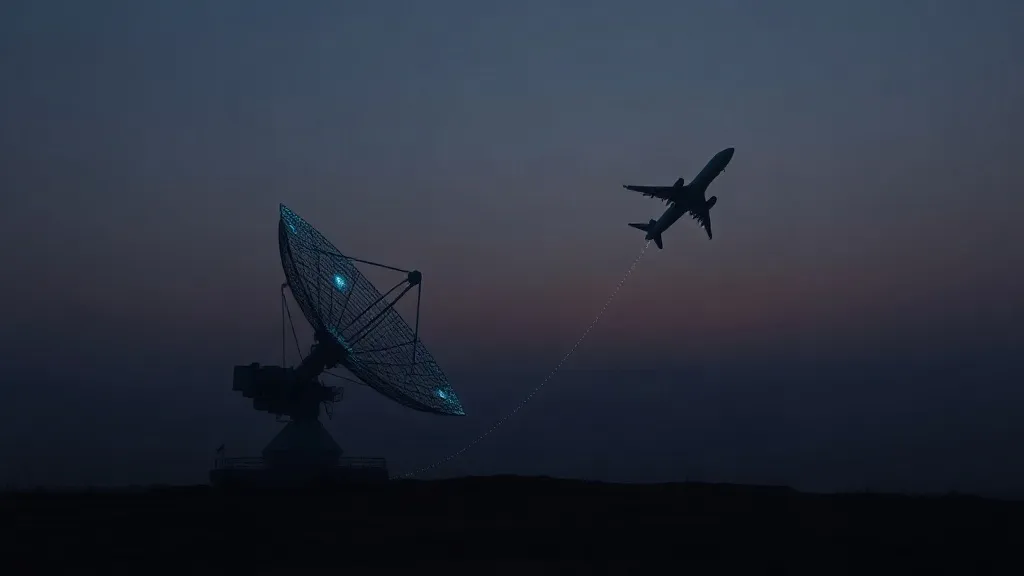
Explainability and adversarial robustness are becoming safety-case requirements, and aerospace buyers should demand that evidence before regulators mandate it.